A Healthy Swiftlet House
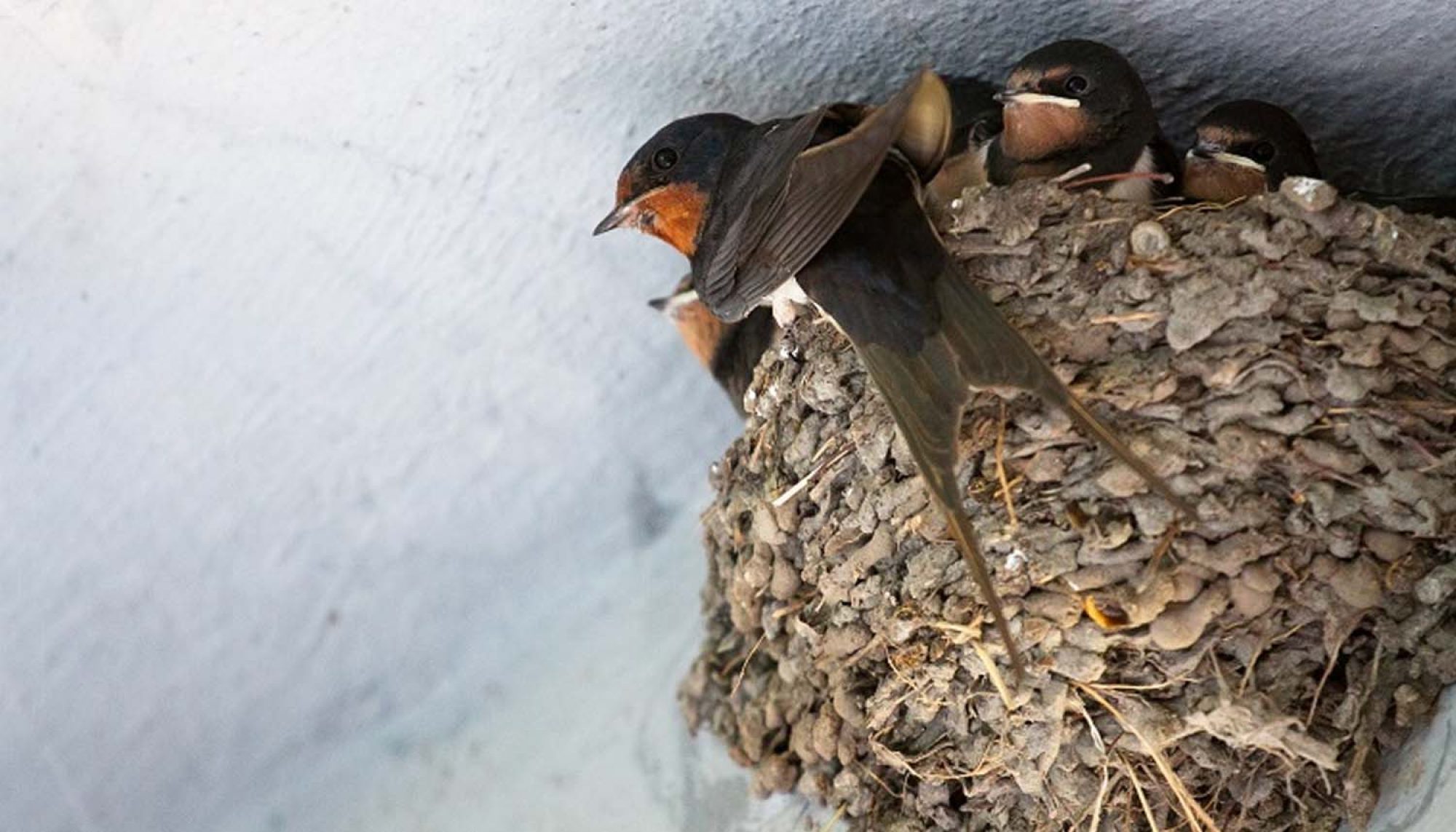
In swiftlet farming, building conditions play an important role in the success of swiftlets nesting. A healthy swiftlet house not only supports nest productivity, but also helps maintain the natural behavior of swiftlets and the sustainability of the surrounding environment.
Various studies show that swiftlets are highly sensitive to microclimate conditions, making the quality of a swiftlet house an important long-term factor.
Stable Microclimate Conditions
One of the main characteristics of a healthy swiftlet house is stable temperature and humidity. Research on swiftlets notes that they tend to choose nesting spaces with temperatures ranging from 26–29°C and relatively high humidity.
These conditions resemble the natural habitat of swiftlets in caves or rock crevices. A healthy swiftlet house is generally designed to maintain this stability without extreme fluctuations.
Ventilation and Air Quality
Ventilation is an important element in maintaining swiftlet health. Good air circulation helps control humidity and reduce the accumulation of gases from bird droppings.
According to bird ecology studies, poor air quality can affect the respiratory health of swiftlets. Therefore, a healthy swiftlet house usually has adequate ventilation without disturbing the birds’ sense of security and calm.
Minimal Environmental Disturbance
Swiftlets are known to be sensitive to noise, excessive light, and human activity. A healthy swiftlet house is characterized by low levels of disturbance, both inside and outside the building.
Bird behavior studies show that environmental stress can reduce nesting success. A calm and dark environment supports swiftlets in settling sustainably.
Cleanliness and Internal Management
Cleanliness is an important indicator of a healthy swiftlet house. Unmanaged bird droppings can lead to the growth of fungi and bacteria. Bird conservation organizations emphasize that good sanitation contributes to the health of swiftlet colonies.
In this context, a healthy swiftlet house generally applies regular cleanliness management without disrupting the birds’ activities.
Environmental and Sustainability Perspectives
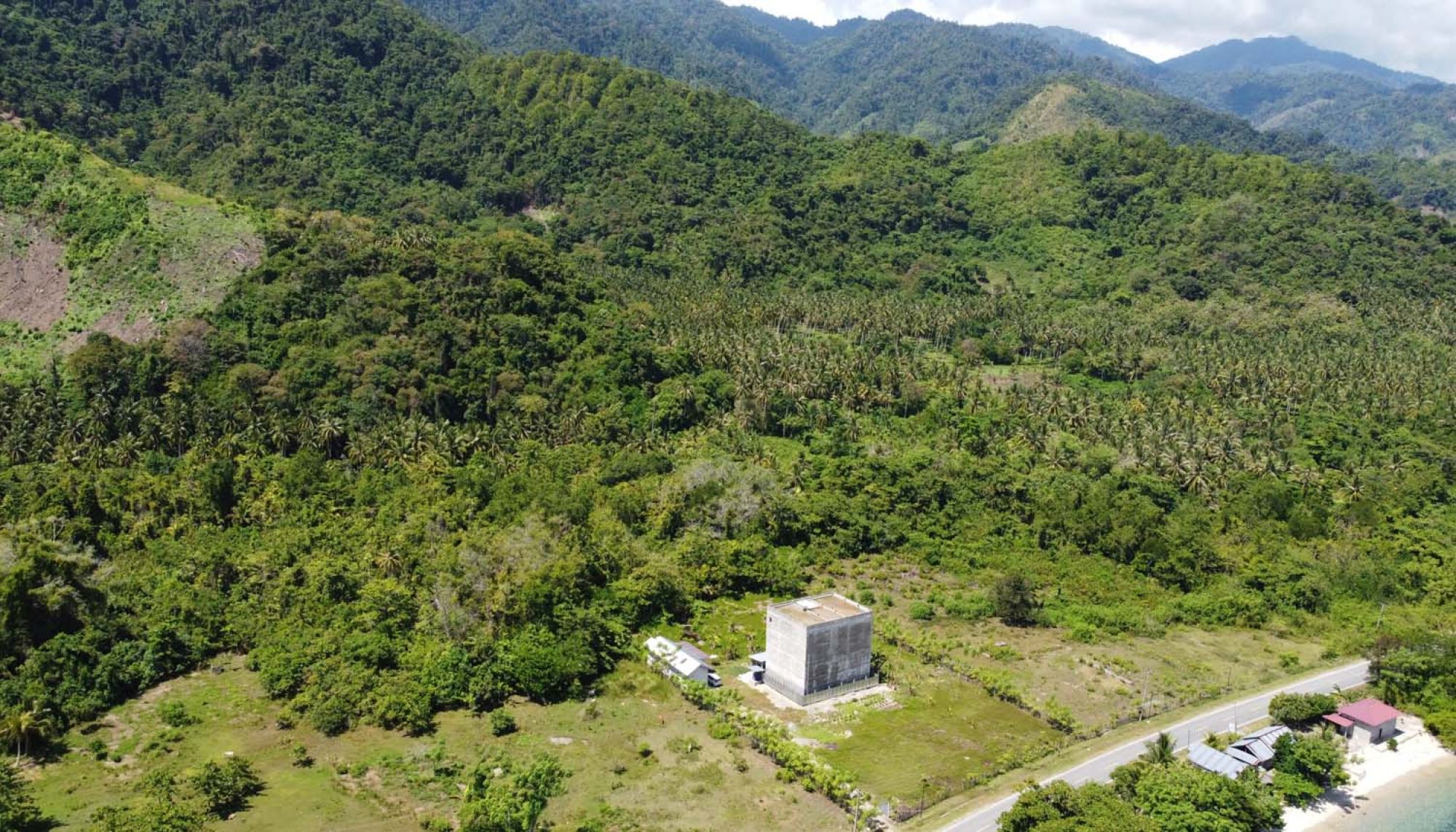
Beyond technical aspects, a healthy swiftlet house is also related to its impact on the environment and nearby communities. Environmental experts note that swiftlet house management that aligns with local spatial planning and ecosystems tends to be more sustainable.
This approach places swiftlet farming as an economic activity that should still consider ecological balance.
Expert Perspective
Experts state that swiftlet house conditions that resemble natural habitats play an important role in maintaining the health and stability of colonies. Swiftlets need a consistent environment in order to adapt and reproduce optimally.
An approach based on understanding bird behavior is considered more effective than excessive technical intervention.
Conclusion
A healthy swiftlet house is marked by stable microclimate conditions, adequate ventilation, minimal disturbance, and proper cleanliness management. These factors are interconnected and directly influence swiftlet health and the success of swiftlet farming.
An approach that considers scientific and environmental aspects is key to building a sustainable swiftlet house.