Understanding the Economic Value of Swiftlet Nests
In the swiftlet industry, the economic value of swiftlet nests is an important indicator that influences business direction, both at the farmer level and in the processing industry. Swiftlet nests are generally marketed in two main forms: raw swiftlet nests and processed swiftlet nests.
The difference between these forms affects price, market access, and profit potential within the industry supply chain.
Characteristics of Raw Swiftlet Nests
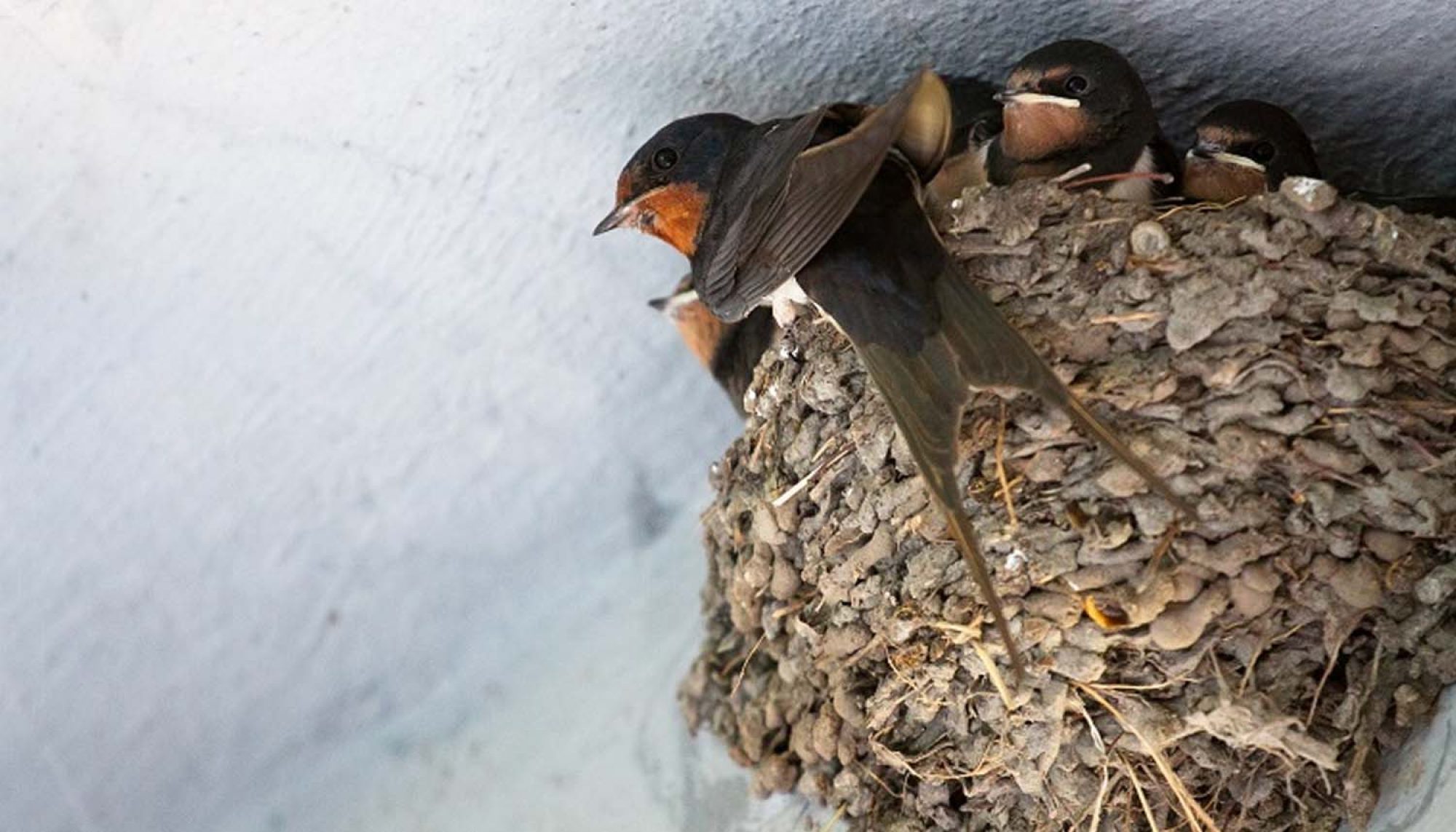
Raw swiftlet nests are harvested directly from swiftlet houses without further cleaning or processing. In terms of economic value, raw nests usually have a lower price compared to processed products.
Some main characteristics include:
- Still containing impurities and fine feathers
- Requiring cleaning before consumption
- Commonly sold to collectors or exporters
This type of product is often chosen by farmers because the process is simpler and does not require additional investment.
Characteristics of Processed Swiftlet Nests
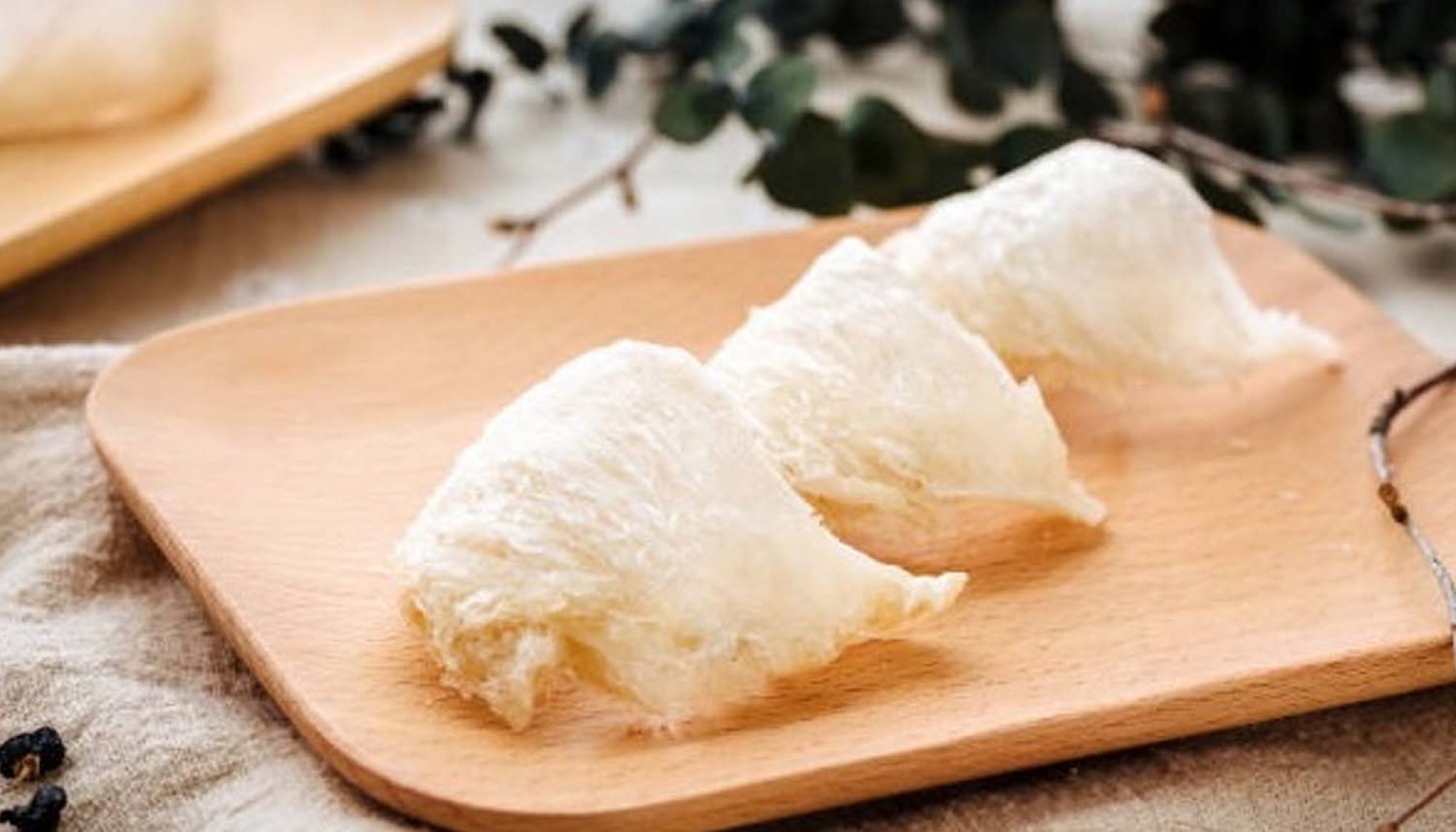
Processed swiftlet nests have gone through cleaning, sorting, and packaging processes. These products have higher economic value because they are ready to use or consume.
Key characteristics include:
- Better visual quality: Color and shape become more uniform after sorting.
- Increased added value: Selling prices are higher compared to raw materials.
- Broader market access: Easier to enter export markets and modern retail channels.
Factors That Influence Economic Value
The economic value of swiftlet nests is not only determined by whether they are raw or processed, but also by several interconnected factors, including:
- Quality of the swiftlet nest
- Origin and environmental condition of the swiftlet house
- Processing method
- Export market demand
- Food safety standards
Added Value from Processing
Processing is not merely an additional step. It directly increases the selling value of swiftlet nests. This process includes cleaning, removing contaminants, and drying using specific techniques.
Studies explain that swiftlet nest processing aims to improve safety, preserve nutritional value, and adapt the product to the needs of modern markets.
This means that processed swiftlet nests are not only more expensive, but also have more consistent quality standards compared to raw nests.
Business Perspective: Which Is More Profitable?
For swiftlet house business owners, choosing between selling raw swiftlet nests or processing them independently is a strategic decision.
Several important considerations include:
- Selling raw nests: Faster turnover and lower risk.
- Processing independently: Higher margins, but requires investment.
- Business scale: Small-scale businesses tend to sell raw nests.
- Market access: Export markets are generally more profitable for processed products.
- Regulation: Processed products must meet stricter standards.
In this context, many business owners have begun shifting toward a hybrid model, selling some nests raw while processing others to maximize profit potential.
Conclusion
The comparison between the economic value of raw and processed swiftlet nests shows a significant price difference due to added-value processing. Processed swiftlet nests have higher prices because they meet the quality and safety standards required by global markets.
However, the best choice depends on business strategy, production capacity, and market access for each swiftlet house operator. With the right approach, both raw and processed swiftlet nests can provide optimal profit opportunities.