Two Approaches to Swiftlet House Management
In swiftlet farming, manual vs automated swiftlet houses represent two different approaches to managing the environment inside a swiftlet house. A manual swiftlet house relies on direct human control, while an automated swiftlet house uses technology to support management.
This difference reflects the evolution of swiftlet house management as technology develops and the need for efficiency increases.
Characteristics of Manual Swiftlet Houses
Manual swiftlet houses are generally managed through direct observation and physical adjustments without the help of automated systems.
Some common characteristics of manual swiftlet houses include:
- Temperature and humidity are adjusted manually
- Environmental monitoring depends on routine site visits
- Response to environmental changes is relatively slower
- Initial costs are lower compared to automated systems
This approach is still widely used, especially in small-scale swiftlet houses or in areas with limited access to technology.
Characteristics of Automated Swiftlet Houses
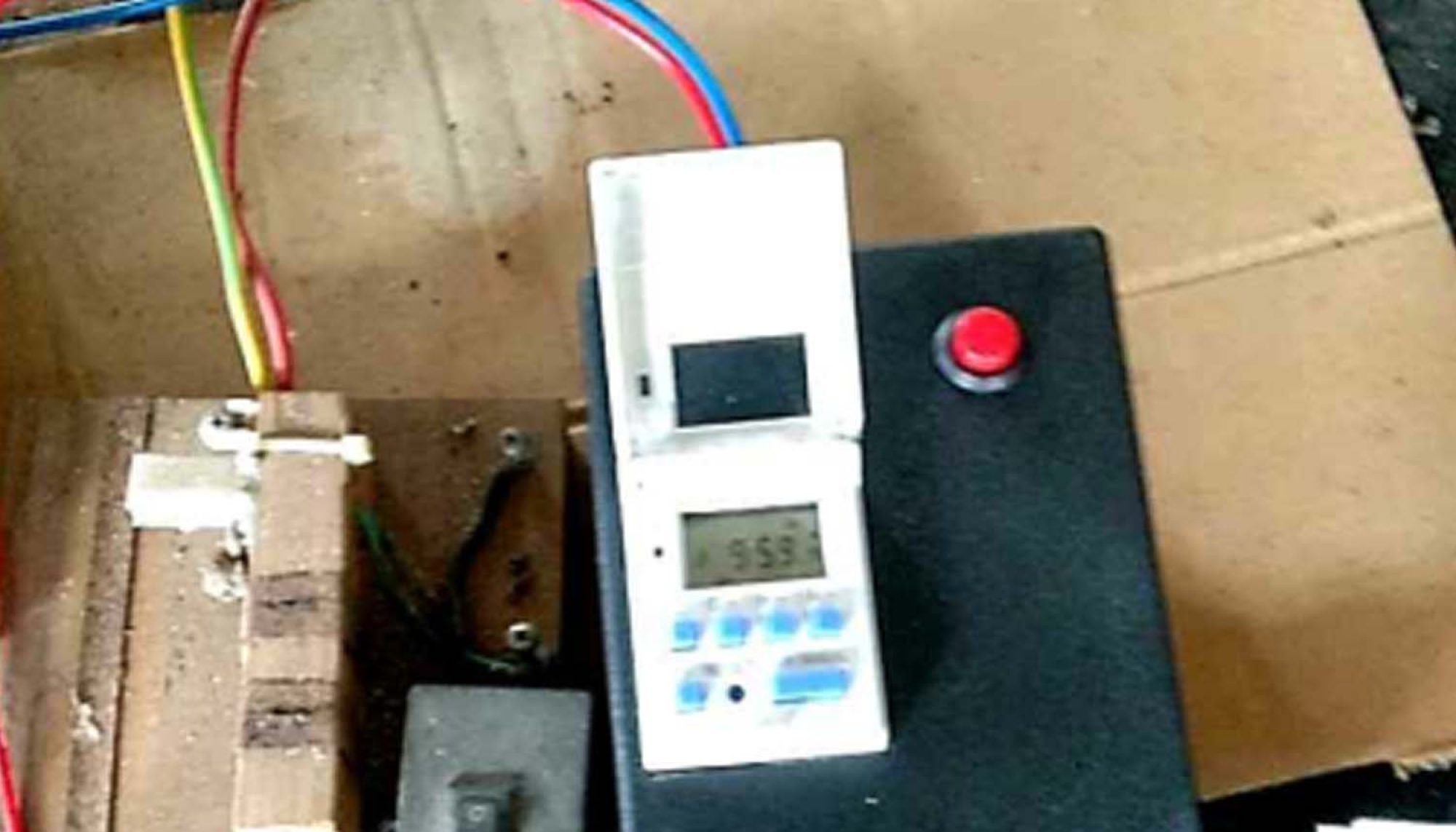
Unlike manual systems, automated swiftlet houses use technology such as sensors, microcontrollers, and remote monitoring systems.
In the context of manual vs automated swiftlet houses, automated systems commonly have these characteristics:
- Temperature and humidity sensors work in real time
- Environmental data is recorded and can be analyzed
- Devices can respond automatically to environmental changes
- Monitoring can be carried out remotely
Research on IoT-based monitoring systems shows that automation can help maintain stable microclimate conditions inside swiftlet houses.
Differences in Management Impact
The comparison between manual and automated swiftlet houses is not only about technology, but also about how daily management is carried out.
Some key differences commonly noted include:
- Manual swiftlet houses rely more on direct human observation
- Automated systems support consistency, but require technological maintenance
- Manual systems are more flexible, but have a higher risk of delayed response
- Automated systems provide data support, but should not replace an understanding of swiftlet behavior
Studies on IoT-based swiftlet house control systems emphasize that automation should function as a supporting tool, not as a replacement for understanding swiftlet behavior.
Environmental Perspective and Caution
From an environmental perspective, bird conservation organizations remind that both manual and automated swiftlet houses must still maintain conditions that are close to the birds’ natural needs. Excessive automation may cause unnatural microclimate changes if not properly monitored.
A gradual approach is considered more aligned with the natural behavior of swiftlets.
Expert Perspective
Experts state that the main difference between manual and automated swiftlet houses lies in the management tools, not in the biological needs of the swiftlets themselves. Swiftlets still require a stable, safe, and low-disturbance environment.
Technology is considered effective when it is used to support adaptation, not to force it.
Conclusion
The comparison between manual and automated swiftlet houses shows that both systems have their own advantages and limitations. Manual systems emphasize direct human involvement, while automated systems focus on data-based efficiency and consistency.
The ideal approach depends on the scale of the business, technological readiness, and the manager’s understanding of swiftlet behavior.