Starting a Swiftlet Business as an Adaptation Process
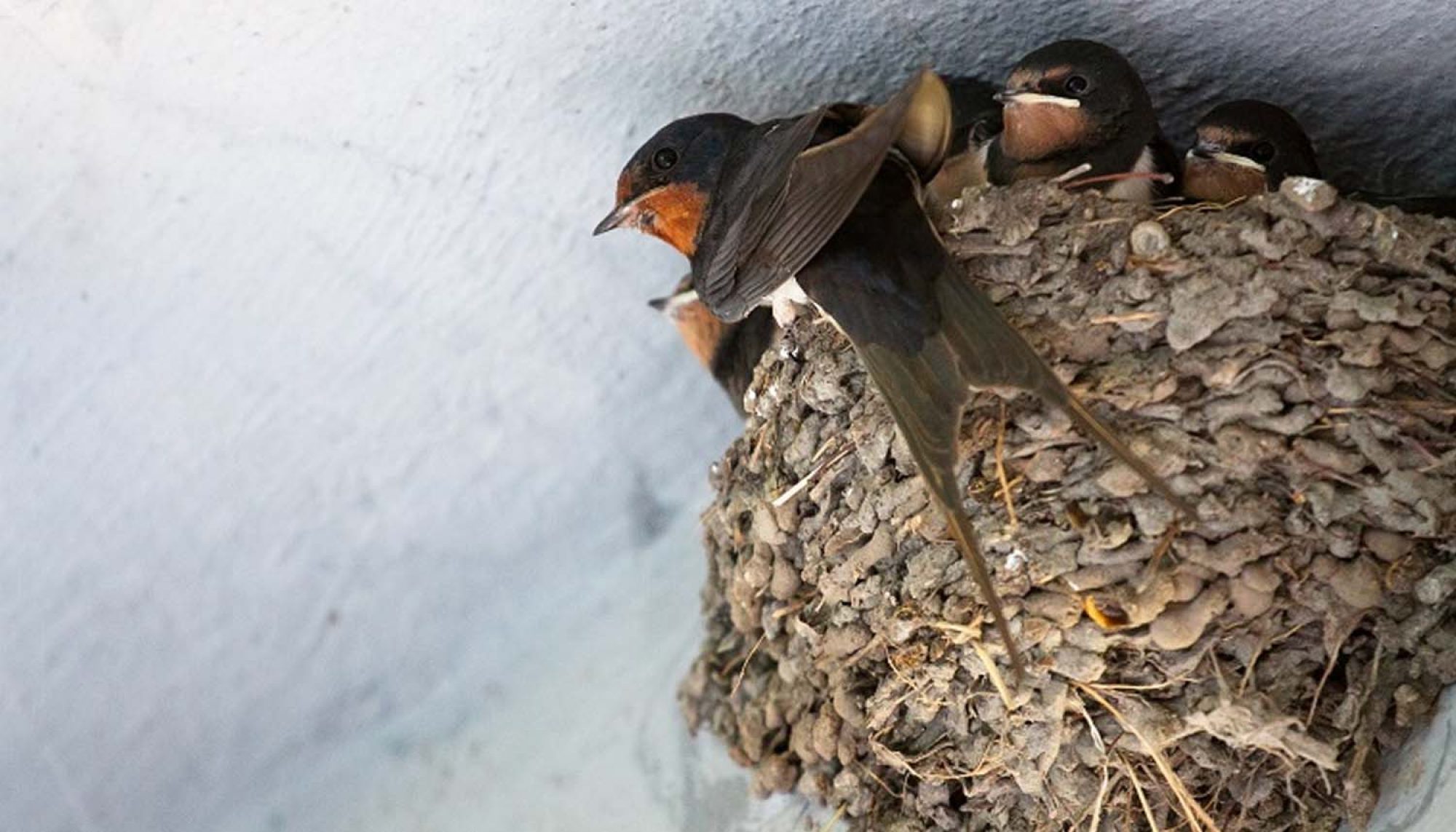
In recent years, interest in the swiftlet business has continued to grow in various regions. Starting a swiftlet business is often seen as a long-term economic opportunity. However, in the early stages, farmers commonly face an adaptation process that is not simple.
This early experience is not only a technical matter, but also relates to understanding swiftlet behavior and the surrounding environmental conditions.
Common Challenges in the Early Stage
Based on general observations and literature studies, starting a swiftlet business often involves challenges such as the absence of swiftlets in the short term, uncertainty of results, and the need to adjust the environment inside the swiftlet house.
Research notes that swiftlets adapt gradually to new habitats, so results cannot be expected instantly.
The Role of the Environment in Early Experiences
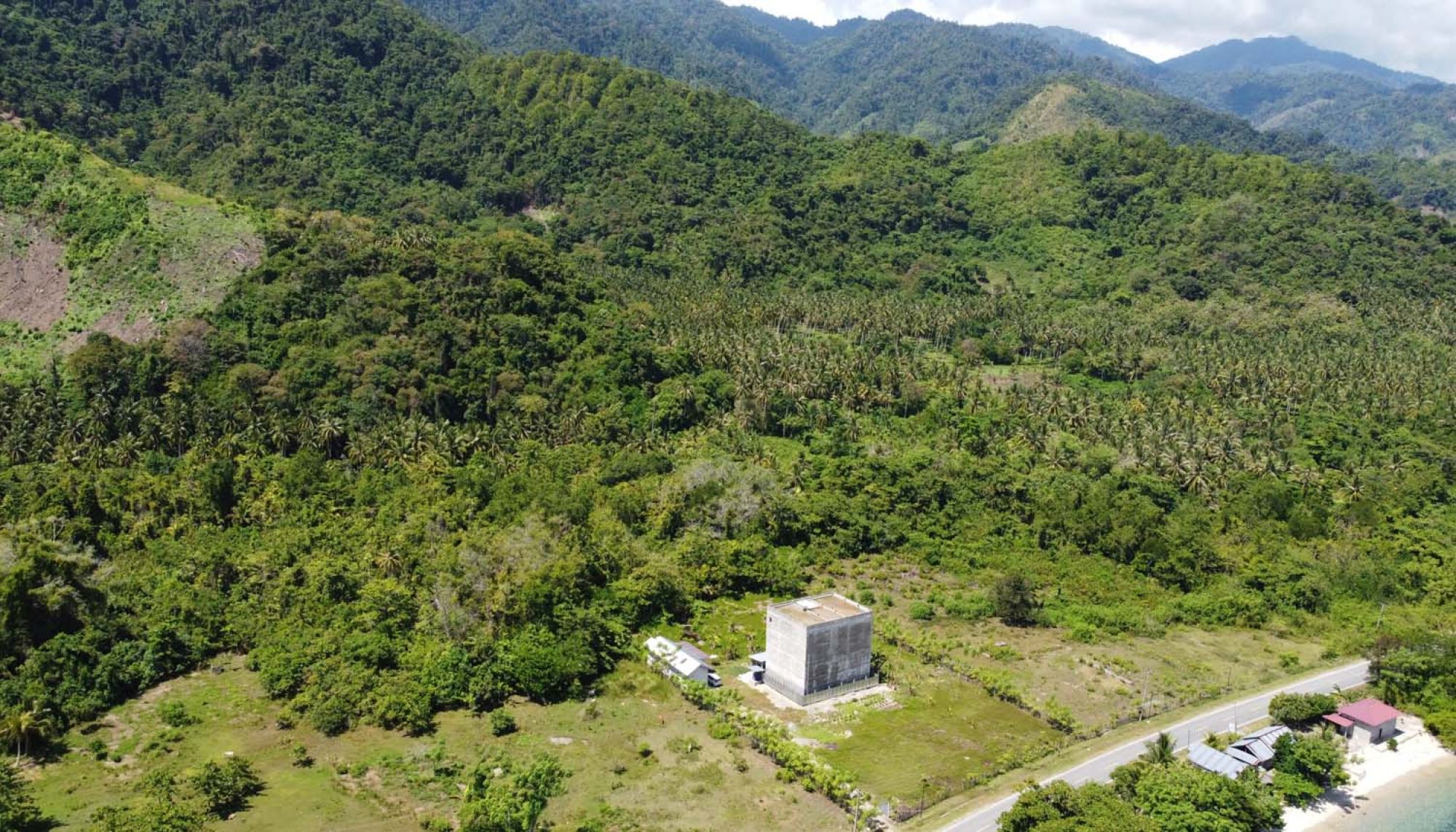
The environment is an important factor in the early phase of the business. Bird ecology studies show that the success of swiftlets in settling is strongly influenced by microclimate quality, such as temperature, humidity, and disturbance levels.
In the context of starting a swiftlet business, unsuitable environmental conditions are often one of the main reasons why swiftlets are slow to nest, especially in newly built swiftlet houses.
The Learning Process for Beginner Swiftlet Farmers
The early stage is also marked by a continuous learning process. Beginner swiftlet farmers generally need time to understand swiftlet characteristics, their entry and exit patterns, and the dynamics of the surrounding environment.
According to studies, swiftlets are highly sensitive to environmental changes. Therefore, an overly aggressive approach may actually hinder the swiftlets’ adaptation process.
Conservation Perspective on Swiftlet Businesses
Bird conservation organizations in Southeast Asia emphasize that starting a swiftlet business should still consider animal welfare and ecosystem balance. Swiftlet houses managed with attention to environmental aspects tend to produce more stable results in the long term.
This approach places the swiftlet business not only as an economic activity, but also as part of the interaction between humans and wildlife.
Ornithology Expert Perspective
Ornithology experts state that excessive expectations in the early stage are often not aligned with the natural behavior of swiftlets. Swiftlet adaptation to a new environment requires time and stable conditions.
For this reason, starting a swiftlet business should ideally be understood as a medium- to long-term process, not an instant result.
Conclusion
Starting a swiftlet business is an early stage filled with learning and adaptation. The common challenges faced by beginner farmers are related to the environment, swiftlet behavior, and expectations of results.
A science-based approach, patience, and responsible environmental management are important factors in going through the early phase of a swiftlet business sustainably.