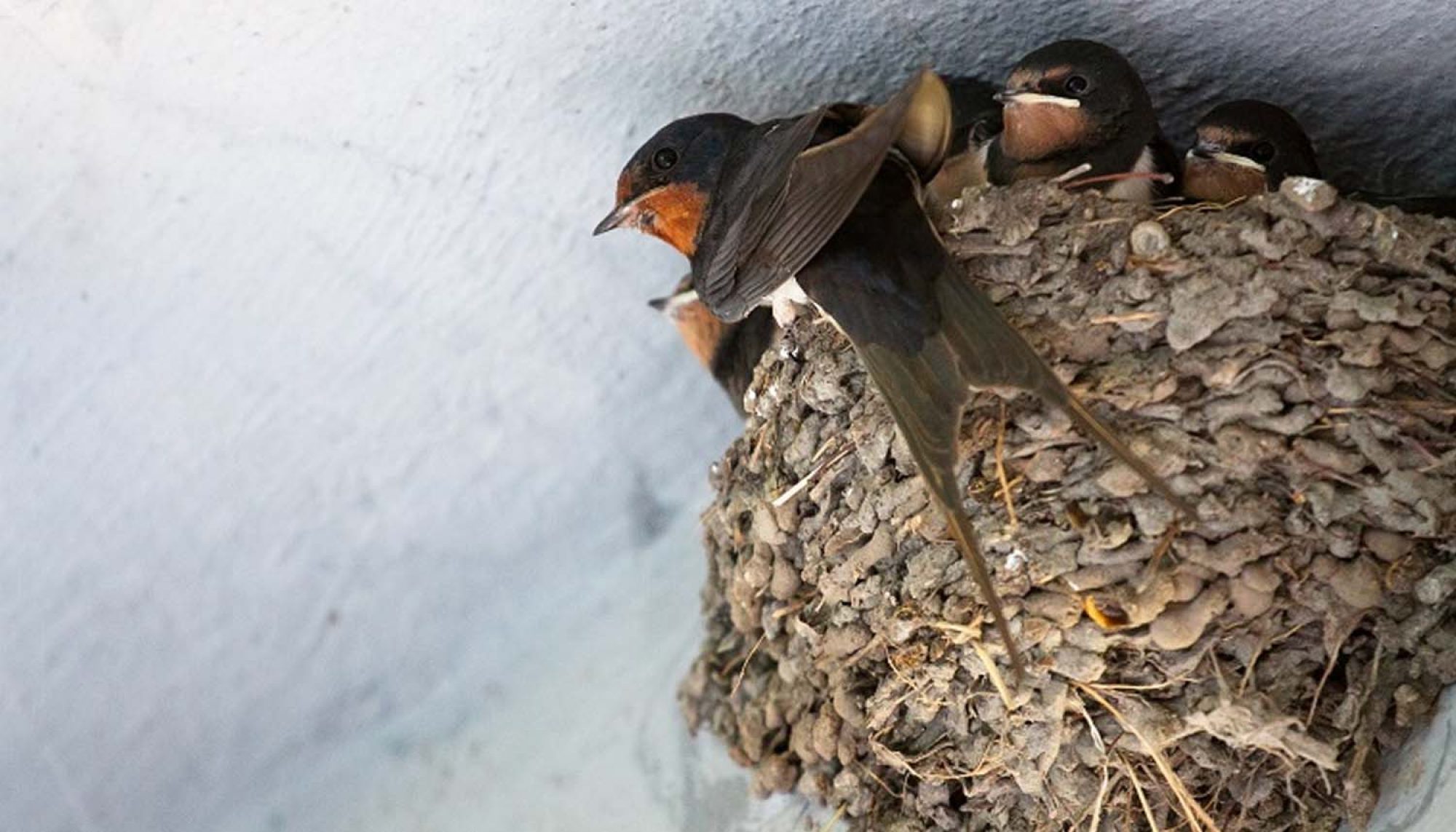
Swiftlet Call Sounds in Farming Practices
In the management of swiftlet houses, swiftlet call sounds are one of the most commonly used elements. These sounds are played with the purpose of attracting swiftlets to approach and enter the swiftlet house.
The use of swiftlet call sounds has developed alongside the understanding that swiftlets are social birds that respond to sound signals from their group.
The Behavioral Basis of Swiftlets’ Response to Sound
Several scientific studies show that swiftlets rely on sound as part of their communication and social orientation. In this context, call sounds function as a signal indicating the presence of a colony.
Research on Aerodramus fuciphagus notes that swiftlets tend to respond to sounds that resemble natural calls, especially during the exploration phase of a new habitat.
The Influence of Call Sounds on Productivity
The influence of swiftlet call sounds on productivity is not a single determining factor, but is affected by various supporting conditions. In general, call sounds may contribute to:
- Increasing swiftlet visits to the swiftlet house
- Accelerating the adaptation process of swiftlets to a new building
- Helping maintain an established colony
However, research shows that swiftlet call sounds are not the only factor that determines productivity. Microclimate conditions, room comfort, and minimal disturbance remain the main factors.
Intensity and Patterns of Sound Use
In practice, a common mistake occurs when call sounds are used excessively. Several bird behavior studies suggest that sound exposure that is too loud or continuous may potentially cause stress.
Bird conservation organizations emphasize that the use of swiftlet call sounds should consider:
- Sound intensity that is close to natural conditions
- Playback timing that does not disturb the daily cycle of swiftlets
- Sound suitability with the characteristics of local swiftlet populations
Environmental Perspective and Ethical Use
From an environmental perspective, the use of swiftlet call sounds should also consider its impact on the surrounding area. Excessive sound exposure may disturb nearby communities if not managed properly.
Environmental experts note that balancing the needs of swiftlets with social comfort is an important part of sustainable swiftlet house management.
Ornithology Expert Perspective
Ornithology experts state that swiftlet call sounds can function as an initial trigger of attraction, but they do not guarantee increased productivity without suitable environmental support. Swiftlets still require a stable and safe nesting space.
An approach based on understanding bird behavior is considered more effective than the aggressive use of sound.
Conclusion
Swiftlet call sounds play a role in attracting and maintaining swiftlets in a swiftlet house. Their influence on productivity is supportive, not the main determining factor. The measured use of call sounds, combined with good environmental management, is considered more aligned with the natural behavior of swiftlets and the principles of sustainability.