The Natural Relationship Between Swiftlets and Insects
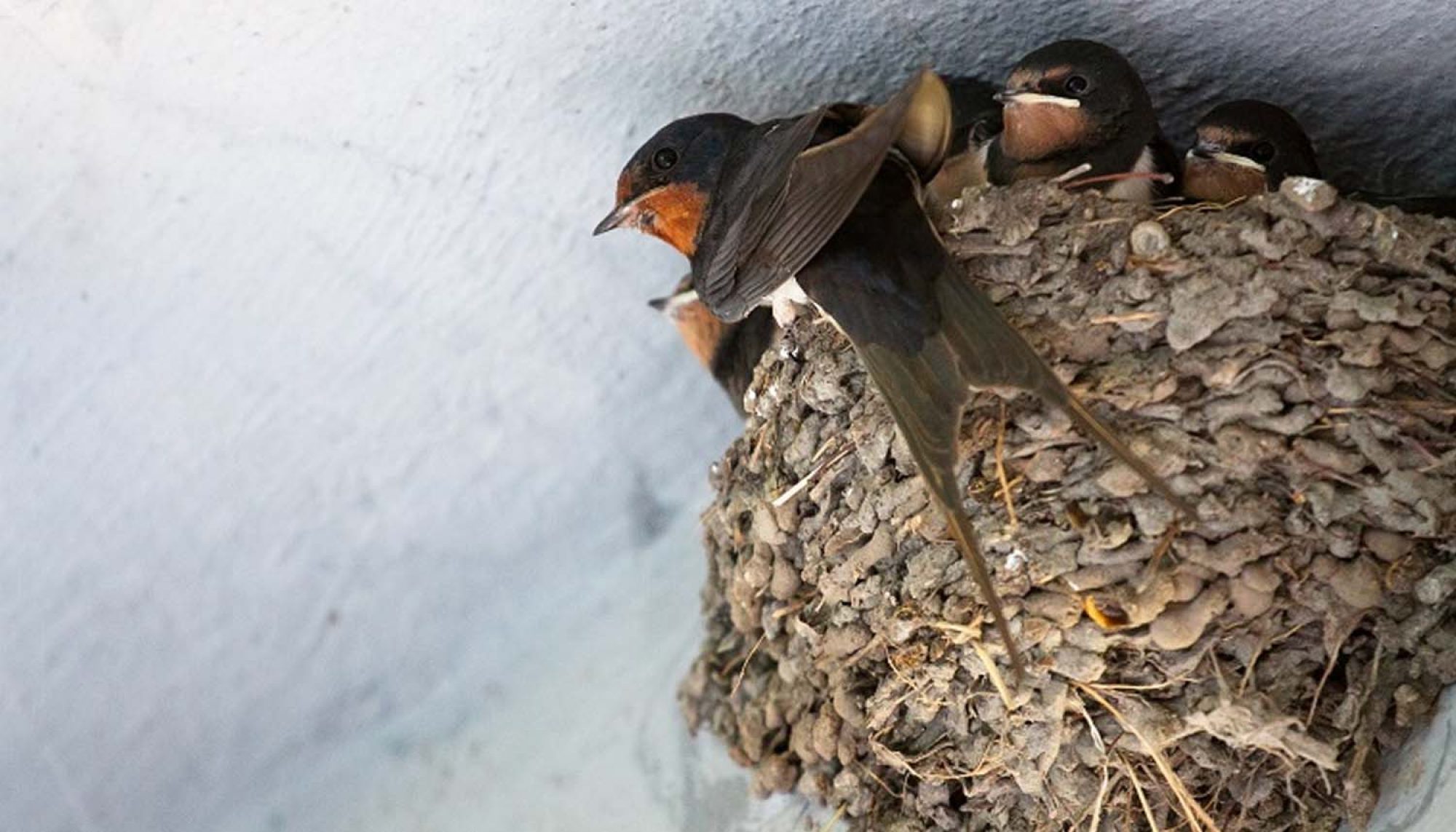
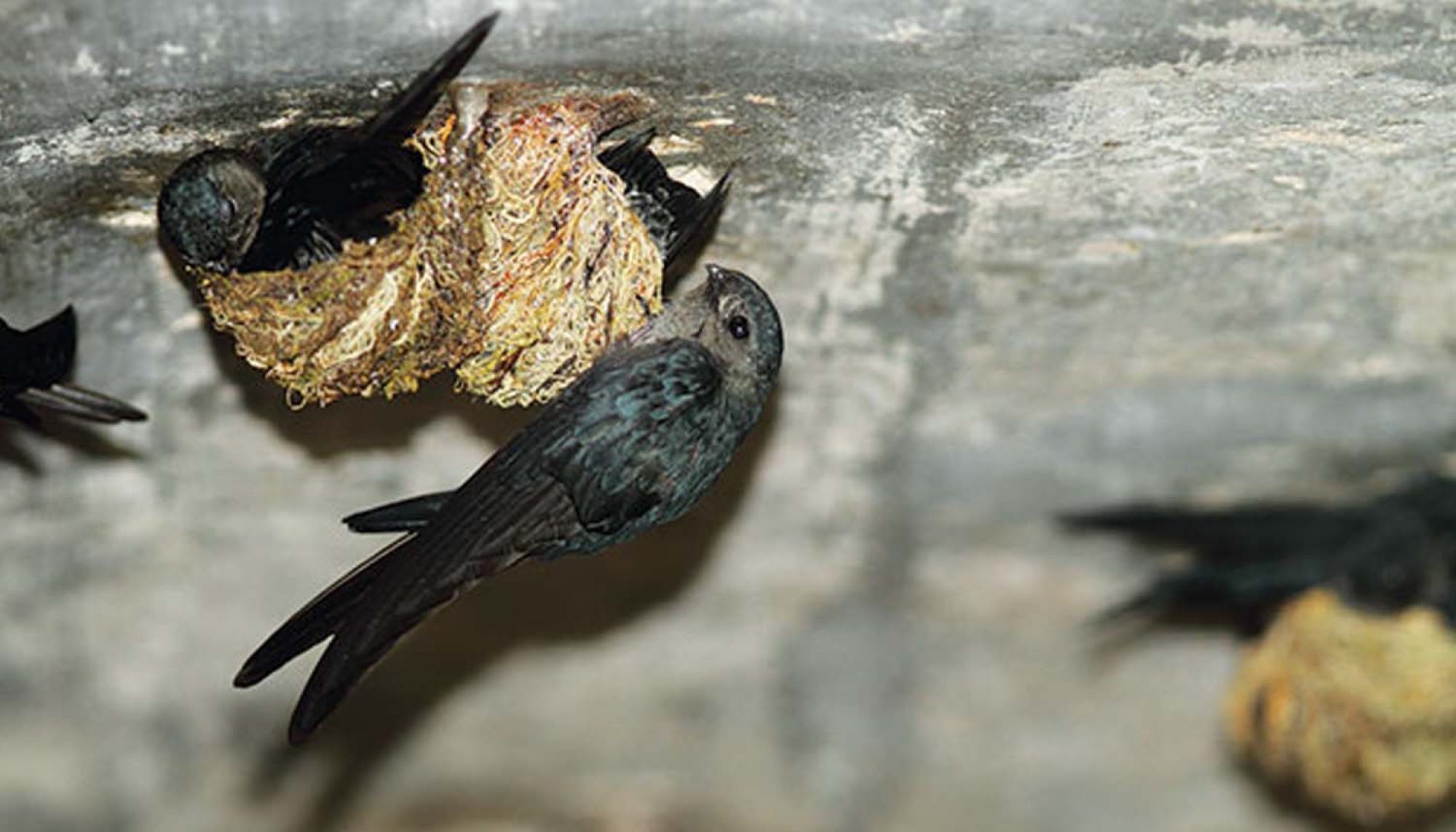
Swiftlets are birds that feed on flying insects. In residential environments, swiftlets and ecosystem balance are closely connected because the feeding activity of swiftlets directly contributes to the dynamics of insect populations.
Swiftlets use small insects as their main source of energy, especially in areas where human activity creates conditions that attract many flying insects.
The Role of Swiftlets in Insect Control
Various studies note that a single swiftlet can consume hundreds to thousands of insects each day.
This ecological role includes:
- Reducing the density of flying insects around homes
- Helping prevent population surges of certain insects
- Supporting the balance of nature in residential environments
Research suggests that aerial insectivorous birds, including swiftlets, play an important role in maintaining the stability of micro-ecosystems.
Swiftlets and the Balance of Nature in Residential Areas
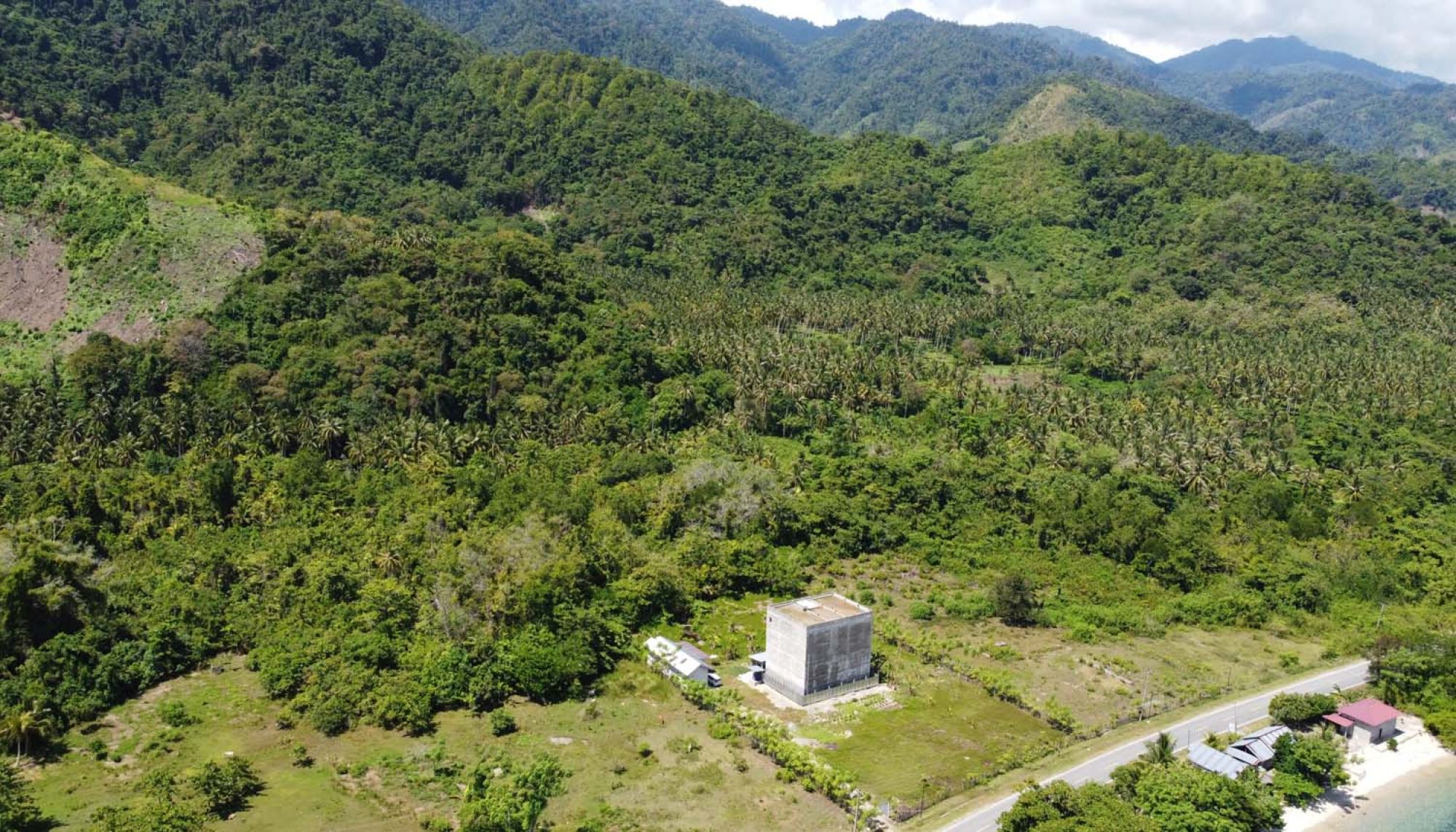
In the context of swiftlets and ecosystem balance, the presence of swiftlets reflects the existence of an active food chain. Insects act as a link between vegetation, human activity, and insect-eating birds.
However, this balance is sensitive. Drastic environmental changes, such as excessive pesticide use, can affect the availability of food for swiftlets.
Indirect Benefits for the Surrounding Environment
Indirectly, swiftlets and ecosystem balance provide several ecological benefits, including:
- Maintaining the dynamics of insect populations
- Reducing dependence on chemical-based insect control
- Serving as an indicator of an environment that still supports wildlife
However, researchers emphasize that these benefits can only be optimized when swiftlet house management is carried out responsibly.
Conclusion
The relationship between swiftlets, insects, and the balance of nature around homes is a natural ecological process. Swiftlets play a role in controlling insects, while the presence of insects reflects the condition of the surrounding environment.
A data-based approach and an understanding of ecosystems are needed so that the presence of swiftlets in residential areas can be viewed objectively and sustainably.