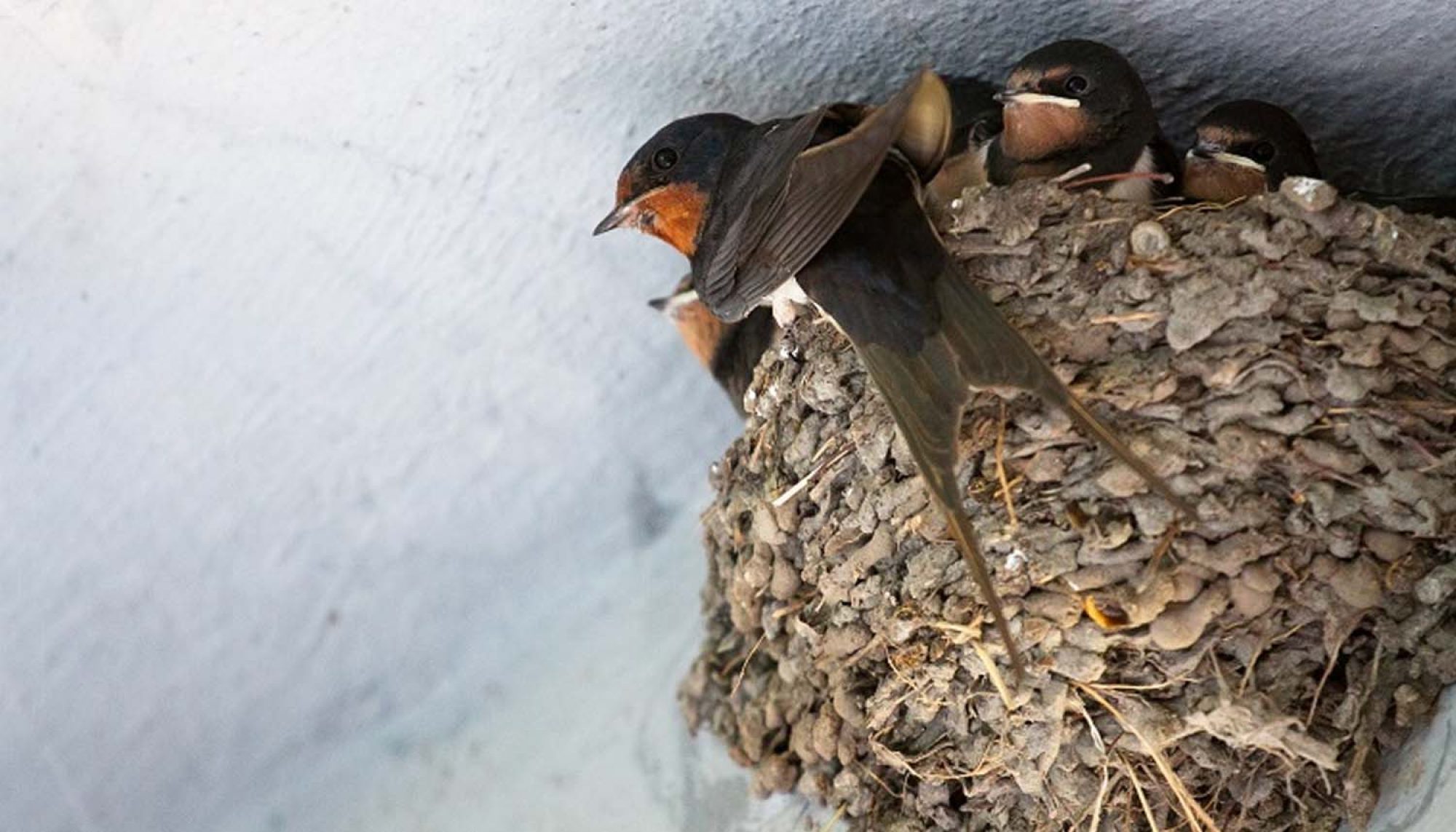
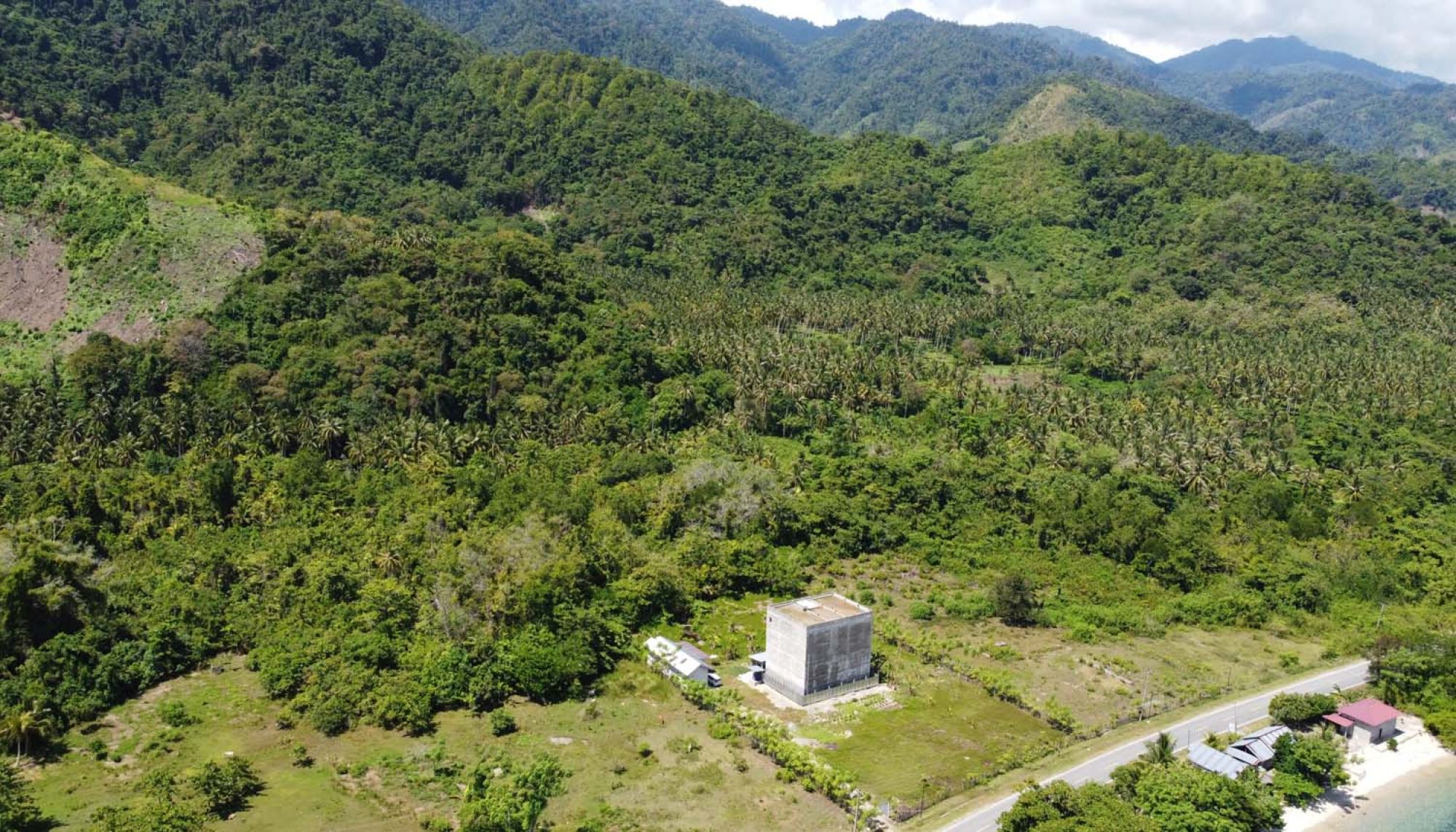
The Impact of Swiftlet Houses in Social and Environmental Contexts
The presence of swiftlet houses in residential and semi-rural areas has become an increasingly common phenomenon. The impact of swiftlet houses on surrounding communities is often viewed in different ways, depending on how they are managed and the conditions of the local environment.
Several studies show that swiftlet houses can bring economic benefits, but they may also create social and environmental challenges if not managed in a balanced way.
Economic Impact on Surrounding Communities
One of the most commonly noted impacts of swiftlet houses is their economic contribution. Swiftlet farming activities have the potential to create indirect employment opportunities, such as building maintenance services, nest management, and the trade of edible bird’s nests.
Local economic studies note that in some regions, the presence of swiftlet houses contributes to increased community income, especially in areas with limited business opportunities.
Social Impact and Public Perception
On the other hand, the impact of swiftlet houses is also related to social perception. Complaints about noise, odor, or health concerns may arise, particularly when swiftlet houses are located near densely populated residential areas.
Environmental sociology studies show that social conflict tends to emerge not solely because of the presence of swiftlets, but because of limited communication and management practices that do not sufficiently consider the surrounding environment.
Environmental and Ecological Impact
From an environmental perspective, swiftlet houses may have both positive and negative impacts. Swiftlets are known as natural insect eaters, which means their presence can contribute to controlling insect populations.
However, bird conservation organizations warn that improper management may cause local pollution, especially from bird droppings if they are not properly handled.
The Role of Management in Determining Impact
Environmental experts state that the extent of the impact of swiftlet houses is strongly determined by the management system. Swiftlet houses that pay attention to ventilation, cleanliness, and spatial planning tend to be more easily accepted by communities.
An environmentally based approach and compliance with local regulations are considered important in minimizing potential conflicts and strengthening social and economic benefits.
Ornithology and Environmental Expert Perspectives
Ornithology experts note that swiftlets are generally not aggressive and rarely interact directly with humans. The negative impacts felt by communities are usually more related to building management than to the behavior of the swiftlets themselves.
Meanwhile, environmental experts emphasize the importance of integrating swiftlet houses with spatial planning and the characteristics of residential environments.
Conclusion
The impact of swiftlet houses on surrounding communities is multidimensional, covering economic, social, and environmental aspects. Positive impacts can be achieved when management is carried out responsibly and with attention to environmental balance.
A science-based approach and open dialogue with communities are key to managing swiftlet houses sustainably.