The Indirect Role of Swiftlets in Everyday Life
Swiftlets are widely known for producing high-value edible bird’s nests. However, beyond their economic value, swiftlets also play indirect roles in everyday life that are often overlooked. From ecosystem balance to their impact on human health, the presence of swiftlets provides broader contributions than many people realize.
This article discusses these roles while also connecting them to sustainable swiftlet house management practices.
Swiftlets and Ecosystem Balance
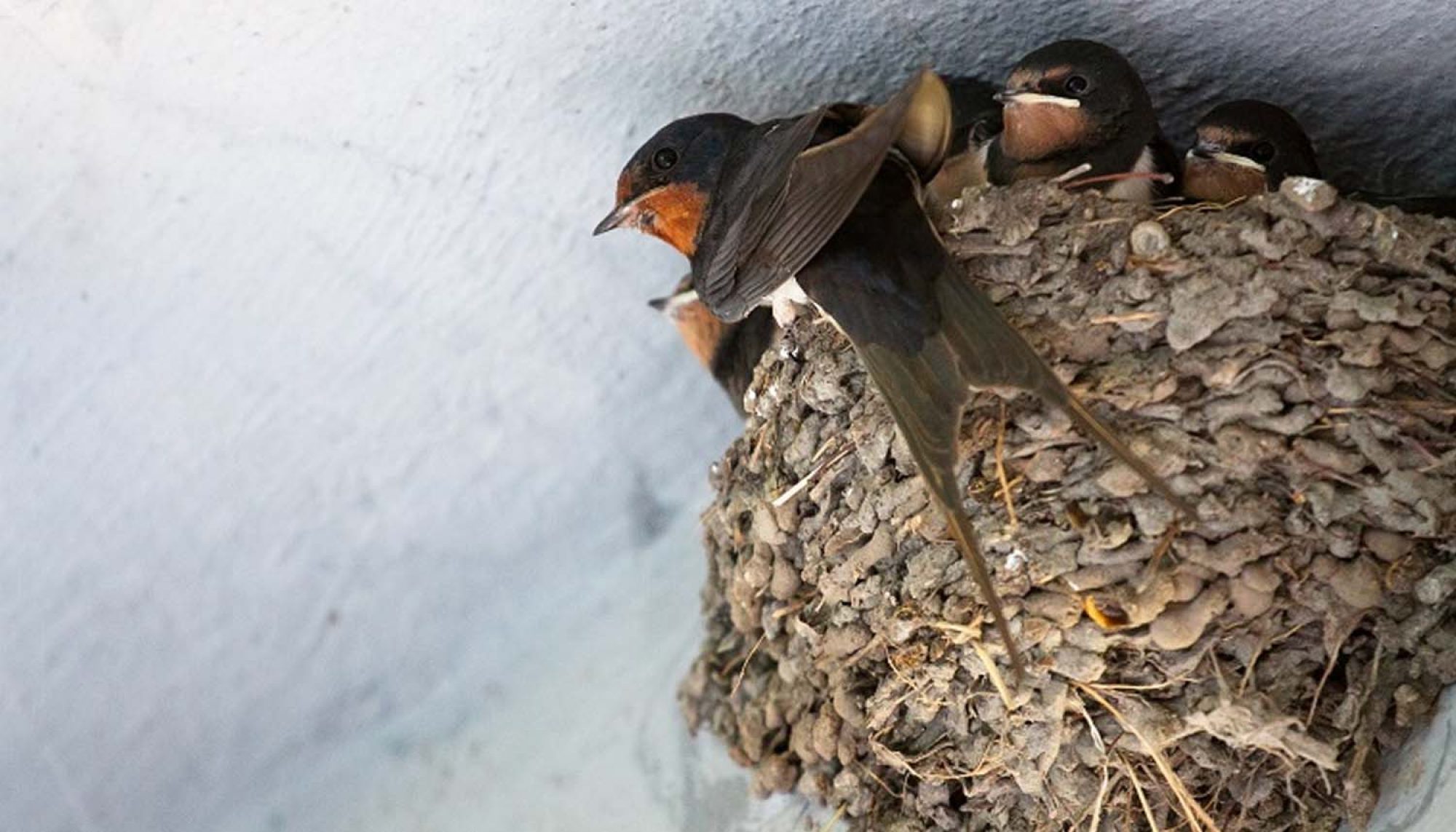
As insect-eating birds, swiftlets play an important role in naturally controlling insect populations. They consume various small insects, such as mosquitoes, flies, and other flying insects that often disturb humans.
Research shows that insectivorous birds, including swiftlets, contribute significantly to maintaining the balance of insect populations in tropical environments. This has a direct impact on the quality of human living environments.
Therefore, the presence of swiftlets around residential areas, especially when managed through environmentally responsible swiftlet houses, can indirectly help reduce the risk of insect-borne disease transmission.
Impact on Health and the Environment
In addition to controlling insect populations, swiftlets also help create a cleaner environment. A reduced number of insects may help lower the potential spread of diseases such as dengue fever or malaria.
Several indirect benefits that communities may experience include:
- Reducing mosquito populations: Helping lower the risk of vector-borne diseases.
- Maintaining food chain balance: Supporting a more stable ecosystem.
- Reducing the need for pesticides: Creating a healthier and more environmentally friendly surrounding.
- Supporting natural air quality: Reducing insects that may carry pathogens.
- Encouraging a balanced micro-ecosystem: Especially in rural and semi-urban areas.
This role becomes increasingly relevant when swiftlet houses are managed in an environmentally friendly way, as is increasingly being practiced in Indonesia.
Swiftlet Nests and Health Value
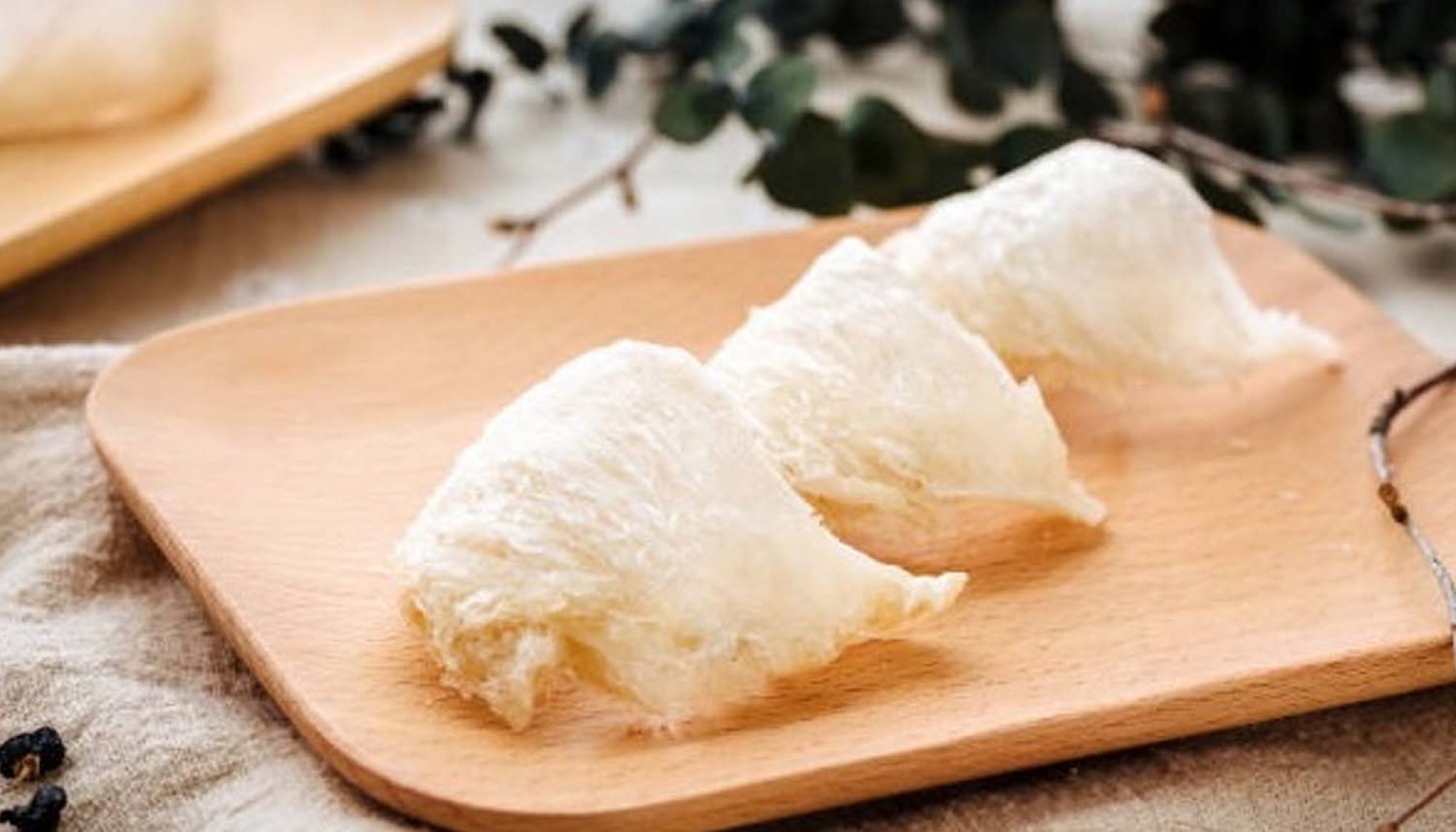
Swiftlet nests have long been used in traditional consumption, especially in Asia. Their protein, amino acid, and glycoprotein content are among the main reasons behind their high value.
Studies suggest that swiftlet nests contain bioactive components that may support the immune system.
However, this information should be understood proportionally. Consuming swiftlet nests is not a primary health solution, but rather part of a broader lifestyle approach.
Economic Roles with Social Impact
The swiftlet industry does not only benefit business owners. It also creates job opportunities and supports local economic growth. From the construction of swiftlet houses to harvesting, processing, and distribution, many parties are involved.
Several indirect economic and social impacts of swiftlets include:
- Creating local employment: From technicians to harvesting workers.
- Supporting regional economies: Especially in areas with many swiftlet farming activities.
- Increasing the value of certain properties: Particularly in strategic areas suitable for swiftlet houses.
Optimizing the Role Through Swiftlet House Management
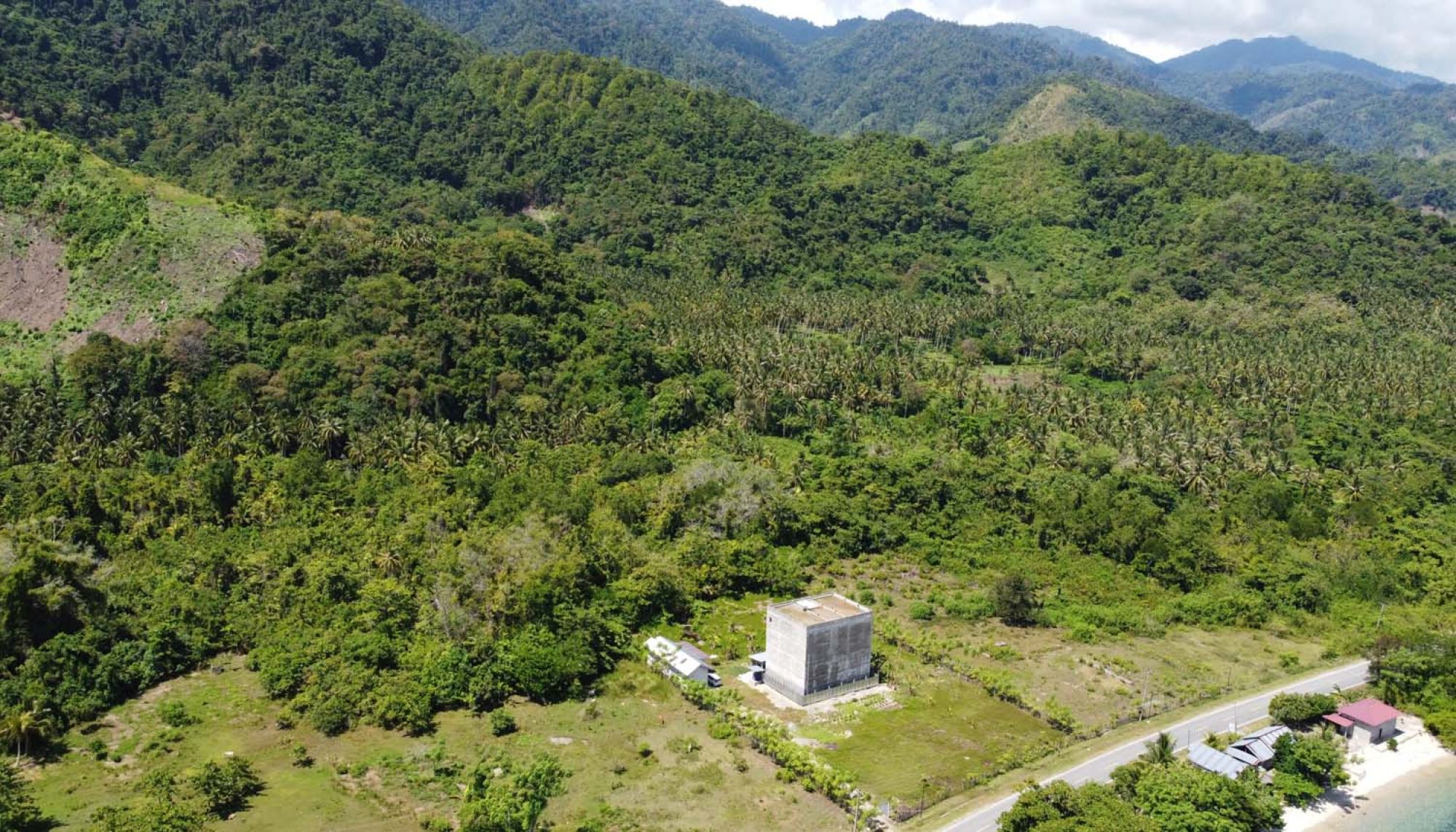
To maximize these indirect benefits, swiftlet house management needs to be carried out with the right approach. It should not only focus on nest production, but also consider environmental and social aspects.
Several approaches that can be applied include:
- Designing swiftlet houses with proper natural air circulation
- Using sound technology that does not disturb the surrounding community
- Managing waste properly to maintain cleanliness
- Educating communities about the ecological benefits of swiftlets
This approach aligns with modern farming trends that focus not only on production, but also on sustainability.
Conclusion
Swiftlets are not only producers of high-value edible nests, but also an important part of ecosystems that support human life. From controlling insect populations to providing economic and social benefits, their role is broad, even though it is often unnoticed.
With proper and sustainable swiftlet house management, these benefits can continue to be felt without damaging environmental balance. This perspective is important to develop further through data-based education and real practices in the field.