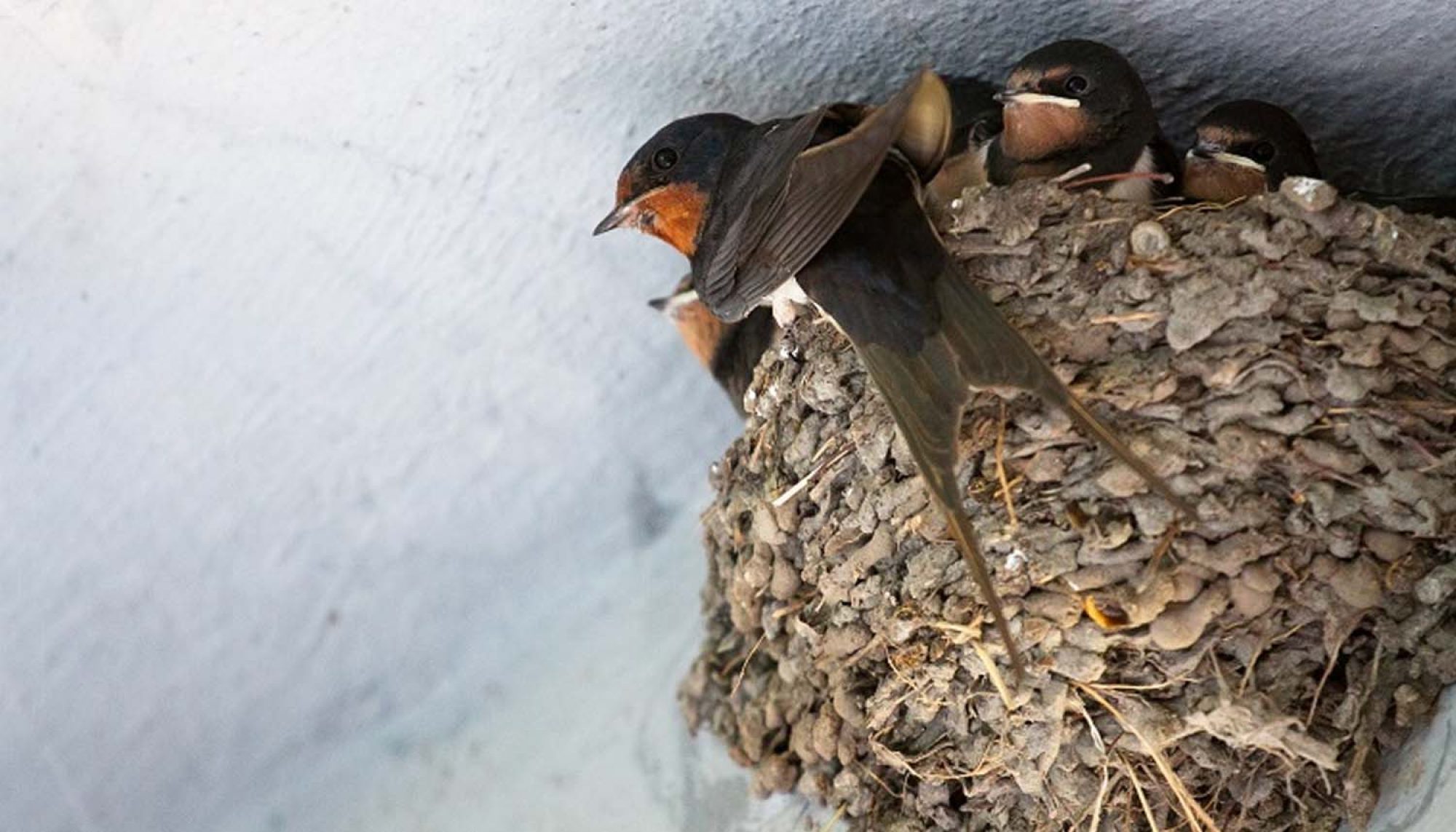
The Phenomenon of Swiftlets in Residential Areas
In recent decades, the presence of swiftlets in residential areas has become an increasingly common phenomenon, both in suburban regions and semi-urban areas. Landscape changes and the development of swiftlet houses have made swiftlets no longer limited to caves or natural environments.
This phenomenon has created various perceptions, ranging from economic opportunities to social and environmental concerns.
The Role of Swiftlets in Residential Ecosystems
Ecologically, the presence of swiftlets in residential areas is closely related to their role as predators of flying insects.
Several roles of swiftlets in residential ecosystems include:
- Consuming small insects such as mosquitoes and flies
- Contributing to natural insect population control
- Serving as an indicator of food availability in the surrounding environment
Studies mention that swiftlets are capable of consuming thousands of insects per day, which means they may help support the balance of local ecosystems.
Swiftlet Adaptation to Residential Environments
Research shows that swiftlets have a high ability to adapt to environmental changes. The presence of swiftlets in residential areas occurs because of supportive micro-environmental conditions, such as food availability and nesting spaces.
Scientific journals explain that swiftlets can use man-made buildings as alternative habitats as long as the environmental conditions remain relatively stable.
Social and Environmental Impacts
On the other hand, the presence of swiftlets in residential areas also creates social dynamics. Some commonly discussed impacts include:
- Perceived noise from swiftlets or audio systems
- Concerns about cleanliness around buildings
- Different views between swiftlet house owners and nearby residents
Bird conservation organizations emphasize that these impacts are contextual and depend greatly on how swiftlet houses are managed, as well as the density of the residential area.
Conservation and Spatial Planning Perspectives
From an environmental perspective, the presence of swiftlets in residential areas requires a balanced spatial planning approach. Swiftlet house management that considers distance, noise, and cleanliness is considered helpful in minimizing social conflict.
Studies on human-wildlife interaction in urban areas emphasize the importance of planning that considers ecological and social needs at the same time.
Environmental Expert Perspective
Environmental experts state that the presence of swiftlets in residential areas is not an entirely negative or entirely positive phenomenon. Swiftlets are part of an ecosystem that adapts to human activity.
The main key lies in managing space and human activities so that they do not disturb the balance of the local ecosystem.
Conclusion
The presence of swiftlets in residential areas reflects the adaptation of wildlife to human-made environmental changes. On one hand, swiftlets contribute to insect control and ecosystem balance. On the other hand, their presence requires wise management to avoid social conflict.
A data-based approach, spatial planning, and sustainability principles are key to viewing this phenomenon objectively.