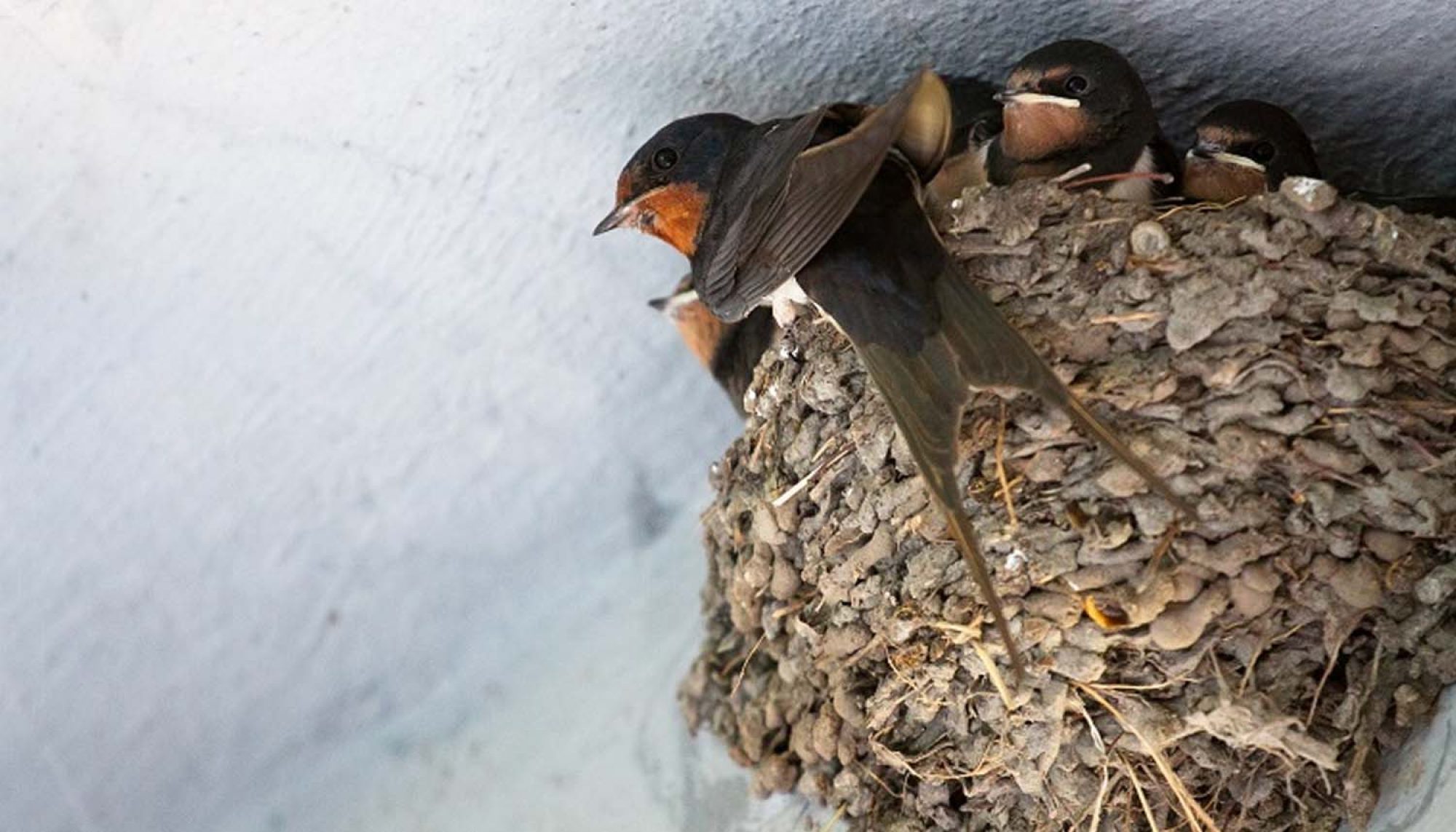
Ventilation and Temperature as Microclimate Factors
In the management of swiftlet houses, microclimate conditions are important factors that influence the comfort and behavior of swiftlets. Various studies show that the role of ventilation and temperature in swiftlet houses is directly related to the success of swiftlets in settling and nesting.
Unsuitable ventilation and temperature can cause stress in swiftlets, while also affecting nest quality and the reproductive process.
The Effect of Temperature on Swiftlet Activity
Temperature is one of the main components of the swiftlet house environment. Research notes that swiftlets tend to choose nesting sites with relatively stable temperatures.
This finding strengthens the understanding that the role of ventilation and temperature in swiftlet houses cannot be separated, as ventilation helps maintain temperature stability inside the building.
Ventilation as an Air Circulation Regulator
Ventilation plays a role in regulating airflow and maintaining room humidity. Studies show that good air circulation helps reduce heat accumulation and gases that may disturb the comfort of swiftlets.
In this context, the role of ventilation and temperature in swiftlet houses is part of an effort to replicate the natural conditions of swiftlet habitats, which are generally cool and humid.
The Balance Between Ventilation, Temperature, and Humidity
Bird ecology research emphasizes that excessive ventilation can also have negative effects if it causes extreme temperature fluctuations. Research findings explain that swiftlets prefer environments with gradual temperature changes.
This balance highlights the importance of managing ventilation and temperature in swiftlet houses in an integrated way.
Conservation and Animal Welfare Perspectives
Bird conservation organizations highlight that swiftlet house management should consider animal welfare. Proper ventilation and suitable temperature help reduce stress and improve the reproductive success of swiftlets.
From a conservation perspective, the role of ventilation and temperature in swiftlet houses affects not only productivity, but also the sustainability of swiftlet populations.
Ornithology Expert Perspective
Ornithology experts state that stable microclimate conditions are an important factor in swiftlet nesting behavior. According to scientific studies, proper ventilation management helps maintain ideal temperatures without disrupting the natural patterns of swiftlets.
This perspective places ventilation and temperature management as an ecological aspect, not merely a technical one.
Conclusion
The role of ventilation and temperature in swiftlet houses is a key element in creating an environment that supports the natural behavior of swiftlets. Ventilation helps maintain air circulation, while stable temperature supports nesting and reproduction.
A science-based and animal welfare-oriented approach is needed so that swiftlet houses can be managed sustainably.