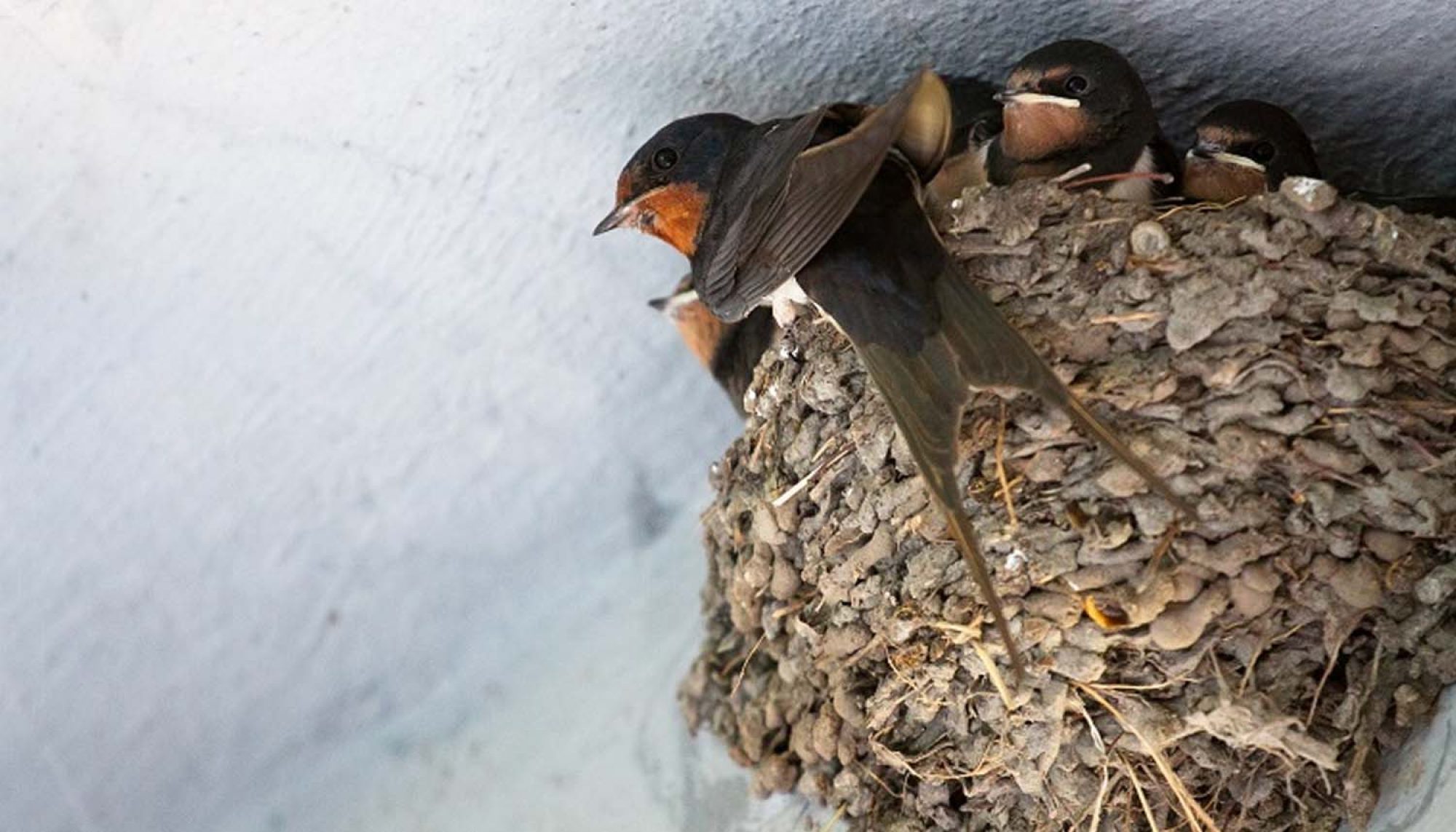
The edible bird’s nest industry has a unique and complex supply chain, starting from the natural ecosystem of swiftlets and ending as a high-value product in the global market. Indonesia is known as one of the world’s major suppliers of swiftlet nests, yet public understanding of how this supply chain works from upstream to downstream remains relatively limited. In fact, each stage plays a direct role in determining quality, economic value, and industry sustainability.
In modern management, the swiftlet nest supply chain is not only about production. It also involves quality standards, traceability, and sustainable practices, which are becoming increasingly important in international markets.
Upstream: Habitat, Swiftlet Houses, and Nest Production
The swiftlet nest supply chain begins with the environment where swiftlets live and reproduce. In Indonesia, most production comes from man-made swiftlet houses designed to resemble natural cave habitats. Environmental factors, building design, and harvesting patterns strongly influence nest productivity and quality.
Several key elements at the upstream stage include:
- Microclimate conditions inside swiftlet houses
- Availability of natural food sources
- Sustainable harvesting patterns
- Cleanliness and management of swiftlet houses
- Stability of swiftlet populations
Research shows that environmental changes and habitat disturbance can significantly affect nesting patterns and the reproductive success of swiftlets.
Midstream: Collection and Initial Processing
After harvesting, swiftlet nests enter the middle stage of the supply chain, which includes collection and initial processing. At this phase, product quality begins to be differentiated based on cleanliness, shape, and level of damage. Improper cleaning processes may reduce selling value and market trust.
Common practices at this stage include:
- Quality sorting based on nest shape and color, which determines market segments
- Manual cleaning without chemical substances to maintain food safety
- Controlled drying to preserve the nest structure
Downstream: Distribution, Standardization, and the Global Market
At the downstream stage, processed swiftlet nests enter the distribution system for both domestic and export markets. Quality standardization, certification, and product traceability are key factors in determining market access, especially to major destination countries such as China.
This stage involves:
- Implementation of quality and food safety standards
- Supply chain traceability systems
- Controlled packaging and logistics
Challenges and Opportunities in Supply Chain Integration
The swiftlet nest supply chain faces challenges such as fragmented actors, differing standards, and unequal value distribution across each stage. However, opportunities for integration are also growing through data-based practices, collaboration among stakeholders, and increased transparency.
An integrated supply chain approach can improve efficiency, quality consistency, and fairer value distribution from upstream to downstream, while also strengthening Indonesia’s position in the global swiftlet nest trade.
Conclusion
The swiftlet nest supply chain from upstream to downstream is an interconnected system that cannot be separated. Nest quality is not determined only inside the swiftlet house, but also through processing, distribution standards, and market governance.
A comprehensive understanding of this supply chain is an important step toward building a swiftlet nest industry that is competitive, transparent, and sustainable.