
Common Mistakes in Swiftlet House Management
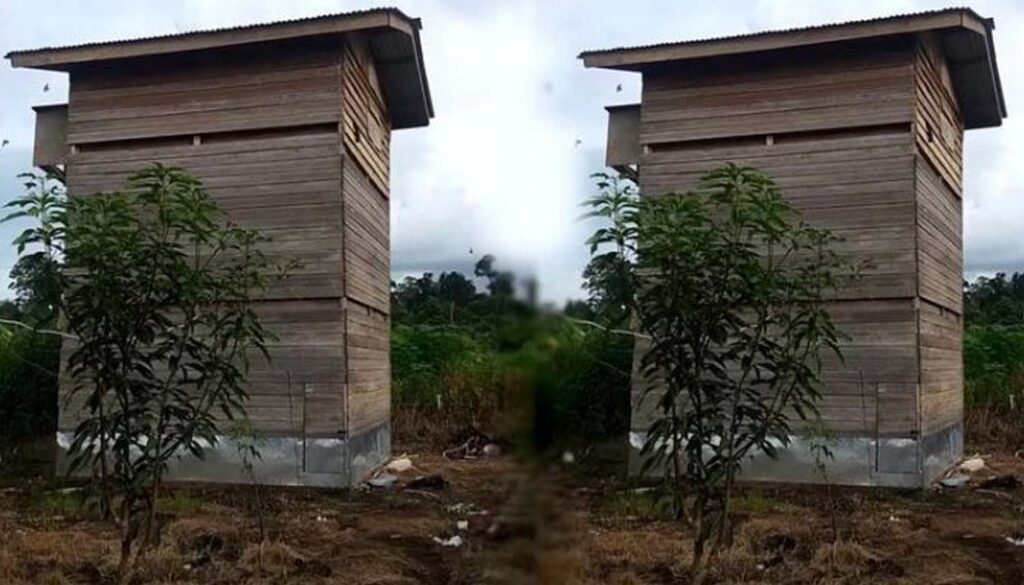
Management Mistakes as Risk Factors In swiftlet farming, management mistakes are often overlooked but can have a major impact on the success of swiftlets nesting. Management practices that are not aligned with the natural behavior of swiftlets may reduce nest productivity and increase the risk of health-related issues. Several scientific studies show that swiftlets require […]
Characteristics of a Healthy Swiftlet House
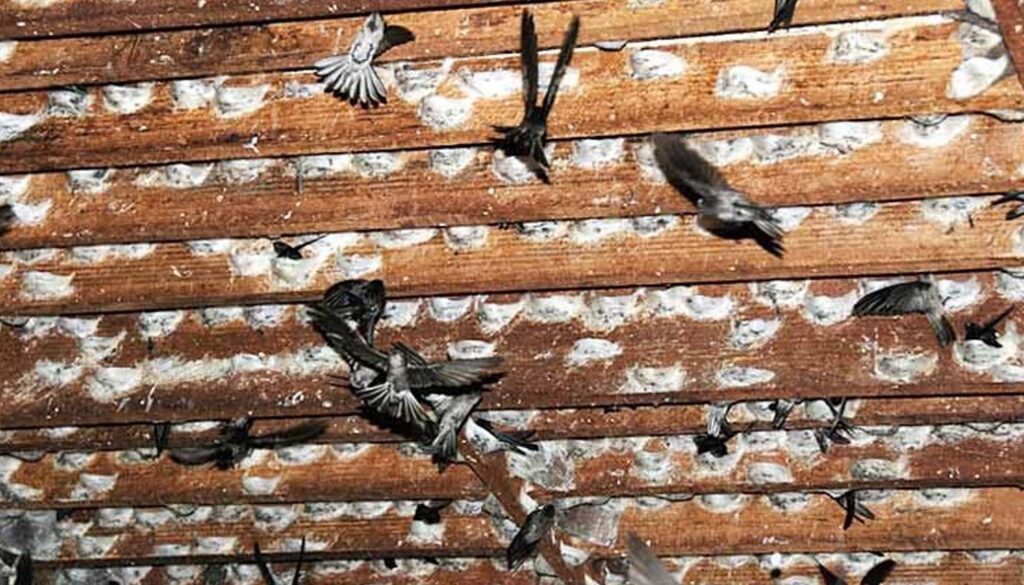
A Healthy Swiftlet House In swiftlet farming, building conditions play an important role in the success of swiftlets nesting. A healthy swiftlet house not only supports nest productivity, but also helps maintain the natural behavior of swiftlets and the sustainability of the surrounding environment. Various studies show that swiftlets are highly sensitive to microclimate conditions, […]
Starting a Swiftlet Business: Common Early Experiences

Starting a Swiftlet Business as an Adaptation Process In recent years, interest in the swiftlet business has continued to grow in various regions. Starting a swiftlet business is often seen as a long-term economic opportunity. However, in the early stages, farmers commonly face an adaptation process that is not simple. This early experience is not […]
The Role of Ventilation and Temperature in Swiftlet Houses
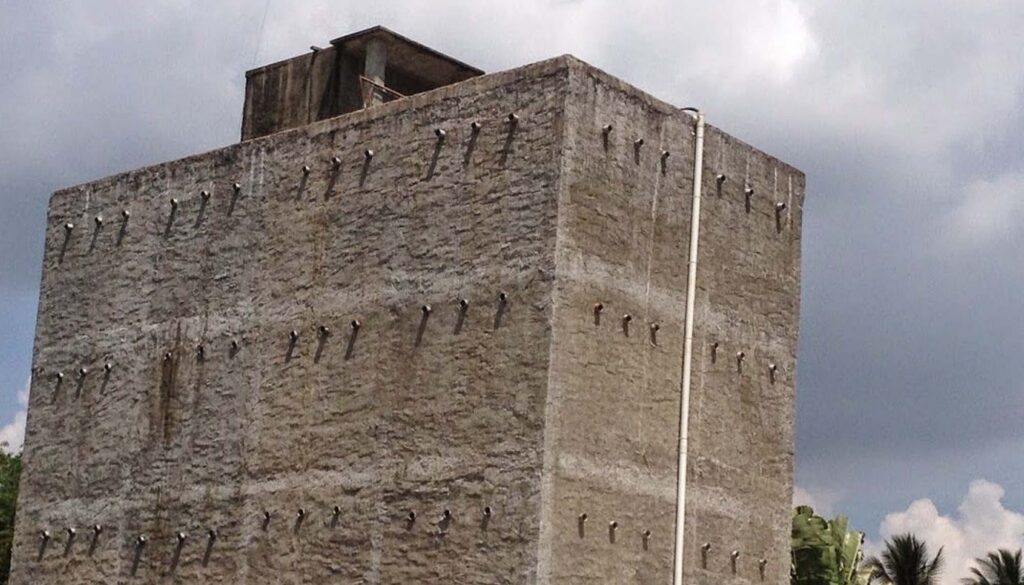
Ventilation and Temperature as Microclimate Factors In the management of swiftlet houses, microclimate conditions are important factors that influence the comfort and behavior of swiftlets. Various studies show that the role of ventilation and temperature in swiftlet houses is directly related to the success of swiftlets in settling and nesting. Unsuitable ventilation and temperature can […]
How Swiftlet Nests Are Formed Naturally
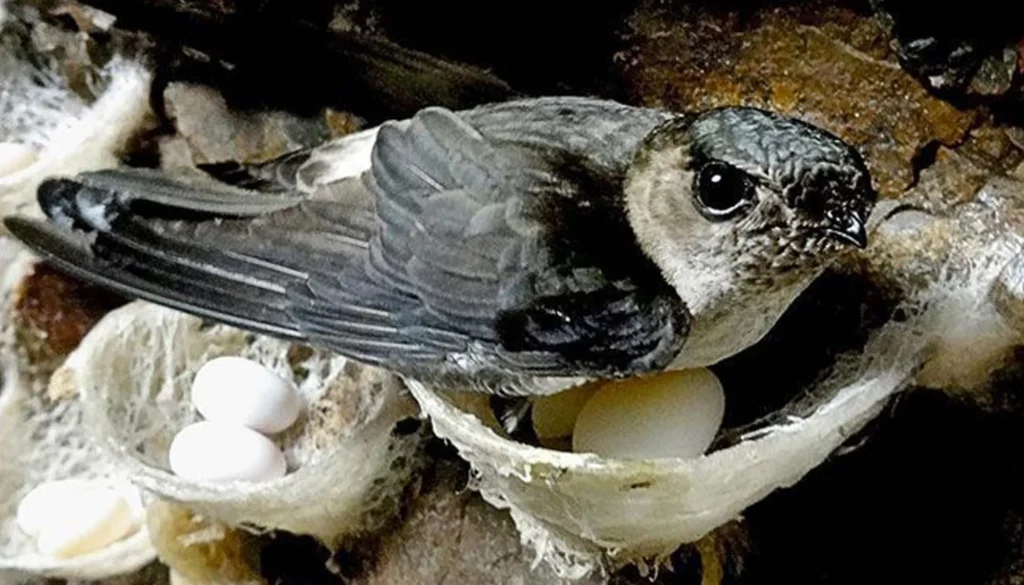
Swiftlet Nests as a Natural Product of Bird Behavior Swiftlet nests are known as the result of the unique biological behavior of swiftlets. Understanding how swiftlet nests are formed naturally is important in order to view them not merely as a commodity, but as part of the swiftlet’s own life cycle. In their natural habitat, […]
Swiftlet Houses: Myths and Facts You Need to Know
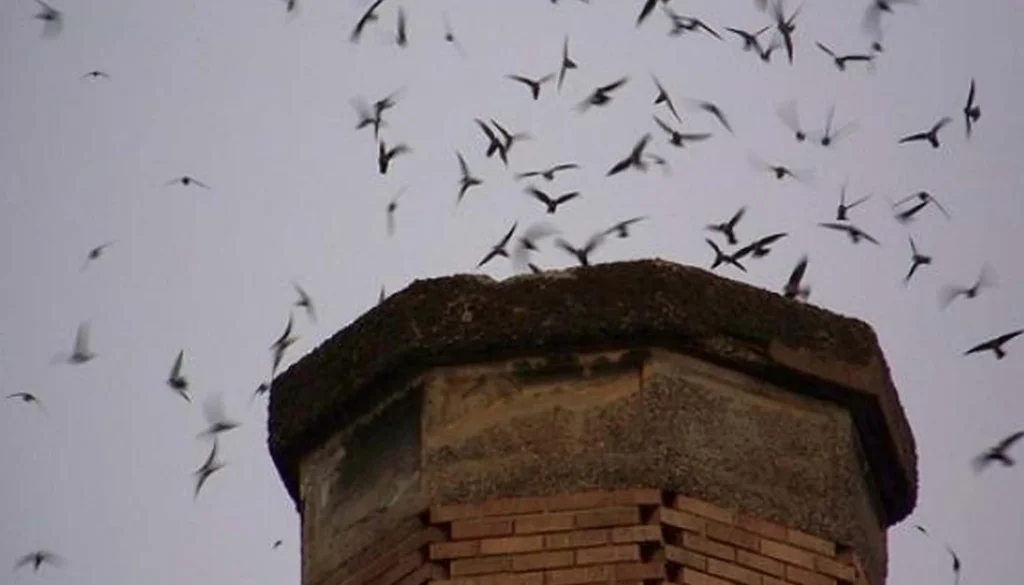
Swiftlet Houses in Public Perception The presence of swiftlet houses in various regions is often accompanied by different public views. Much of the information circulating in communities comes in the form of assumptions, inherited stories, or informal beliefs. For this reason, discussing the myths and facts about swiftlet houses is important to provide a better […]
Environmental Factors That Make Swiftlets Comfortable Nesting
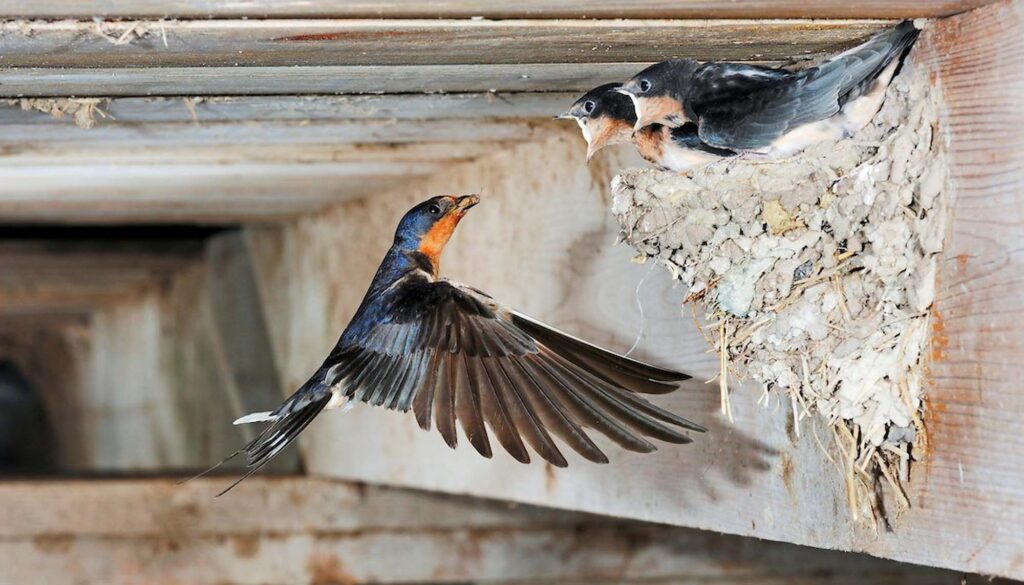
Environment as a Determining Factor in Swiftlet Nesting Behavior Swiftlets are known as highly selective birds when choosing nesting sites. Various studies show that environmental factors that make swiftlets comfortable nesting have a direct influence on reproductive success and population sustainability. Both in natural habitats and in swiftlet houses, microclimate conditions are among the main […]
Swiftlets and Their Natural Way of Life

Swiftlets and Their Natural Way of Life Swiftlets are known as birds with a strong ability to adapt to their environment. In nature, the swiftlet life cycle usually takes place in caves or rock crevices with dark, humid, and low-disturbance conditions. This type of environment plays an important role in supporting reproduction and the survival […]
Public Perception of Swiftlet Houses
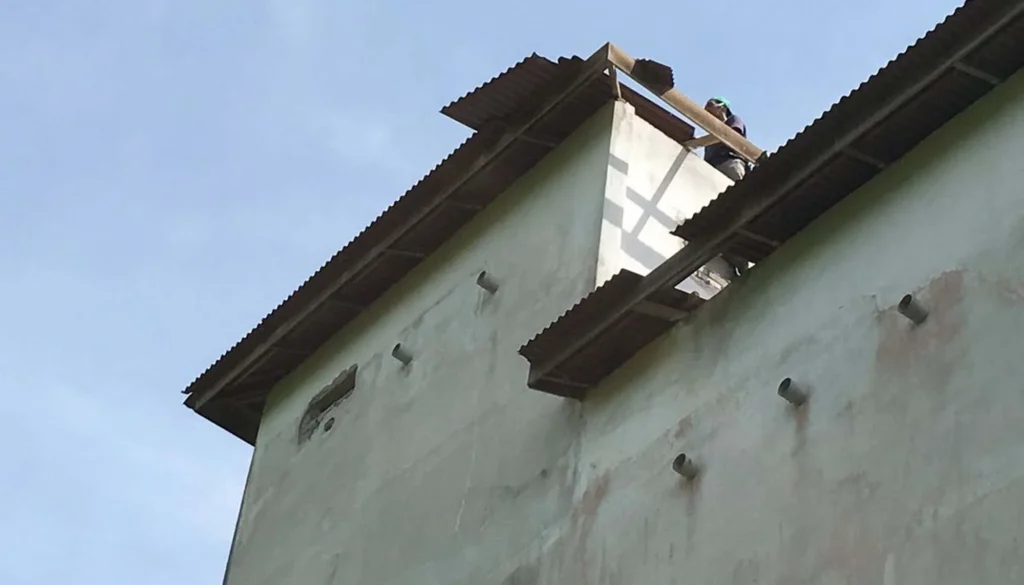
Swiftlet Houses as a Social Phenomenon The presence of swiftlet houses in various regions of Indonesia is not only related to economic activity but has also become a social phenomenon within communities. Public perception of swiftlet houses has developed alongside the increasing interaction between swiftlet farming activities and the daily lives of nearby residents. In […]
Why Swiftlets Do Not Nest Randomly
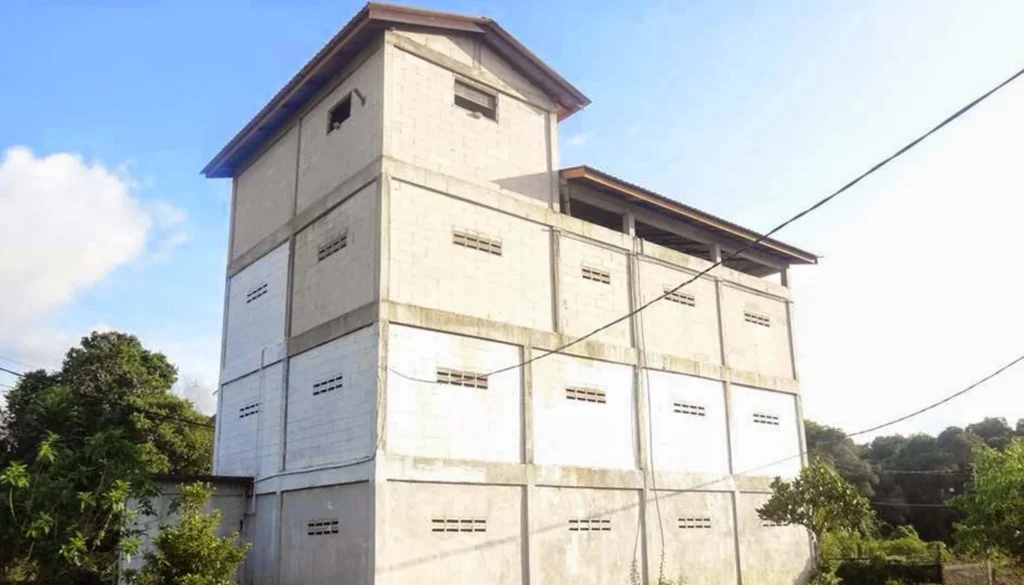
Why Swiftlets Do Not Nest Randomly The presence of swiftlet houses in various regions often raises a common question: why do swiftlets choose certain buildings while ignoring others that may look similar? Several studies suggest that swiftlet nesting preferences are influenced by a combination of environmental conditions, building structure, and the level of human disturbance. […]